
 September 17, 2024
 4 min read
 Share
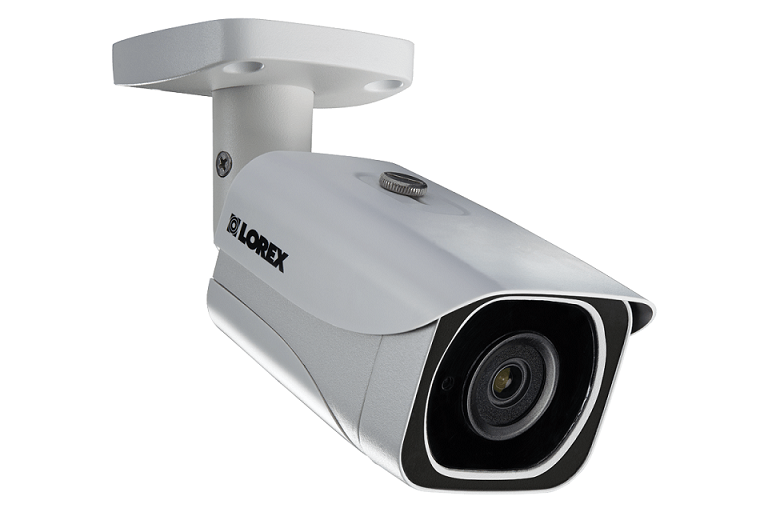
When performing accident reconstruction, it is always helpful for the expert to collect post-accident scene data as soon as possible before conditions change or before data is lost due to the environment. Video from fixed security cameras is collected, but what about cellphone video? Cameras are everywhere. This includes security cameras, traffic cameras, dashcams, police body cams, doorbell cameras, and even the cameras in our pockets (cellphones). When available, video recordings provide helpful evidence in the investigation of accidents.
Security cameras can have continuous, variable, or event-based recording. Continuous recording is exactly that, continuous. This type of recording requires the most storage but will have the greatest amount of information. Continuous recordings often have storage limits, recording new video over old after a fixed amount of time. Therefore, collection time for video evidence can be critical.
Dashcams are an example of event-based recording. When a braking event above a certain threshold occurs, the camera starts to record and store the next few seconds.
Variable recordings often have rules based on conditions. ATM cameras are an example of this. When someone is within a specific viewing range, the camera records continuously. When no one is within the range, the camera will record images at specific time intervals.
Police body cam videos are continuous and can be used to document an accident scene or locate the position of a piece of evidence.
When investigating an incident, it is not uncommon to be provided with surveillance video play-back that was rerecorded from a screen by a cellphone. This is often easy for the viewer to capture since most people have a cellphone with a video camera in their pocket. While this is good to have, the original is better. Most people update their cellphone every two or three years. Have you ever asked: How often was the security system updated? Perhaps every ten years. Even if the cameras were updated, when was the viewing monitor last updated?
The limitation when recording the playback of a video on a cellphone is often the monitor the video is displayed on. Unless it is new it probably doesn’t have the resolution of our cellphone cameras, and it doesn’t have the resolution of the original recording either. For example, if the original recording is 2k, and the monitor is 1080p, the video of the monitor recorded may be recorded on an 8k phone, but the recording is limited to that of the monitor, only 1080p (or less). This results in a loss of detail. During accident reconstruction, experts would like to be able to zoom in and view finer details. For this, the original video is essential, in that it has significantly more resolution.
For some analysis, timing within fractions of a second is critical. Vehicles can move through the view of the camera in a second or less, rendering each fraction of a second important. Old-school cameras used fixed frame rates, often 10-30 frames per second. Newer devices use variable frame rates, changing the recording speeds under different conditions in order to save data. Digital recordings embed the frame rate data within the data file. The frame rate can be used to determine timing within fractions of a second. If an accident playback was recorded with a cellphone, that data is lost, and it may limit an accident reconstruction analysis. So, whenever possible, get the original.
Video evidence can play a role in many types of incidents. Need an expert to review your video? Contact us for assistance.