
Workers Compensation
In workers compensation legal cases, both plaintiff and defense attorneys want forensic expertise that can clearly determine the cause, severity, and contributing factors of an employee's injury or illness. At our firm, we provide comprehensive forensic services focused on workplace incidents, including chemical exposure, construction accidents, repetitive stress injuries, occupational illnesses, OSHA compliance, and general workplace accidents. Attorneys depend on us to connect the dots between the incident and the claimed injury, and to do so with a level of technical and legal precision that holds up in hearings, mediations, and courtrooms.
Legal professionals often ask, "Was the injury truly work-related, and did the employer meet all safety obligations?" Our job is to investigate both the physical environment and the human factors at play. We review safety procedures, training records, OSHA logs, incident reports, medical evaluations, and the actual conditions of the workplace. Whether a worker developed a chronic illness due to chemical exposure or suffered a traumatic injury in a construction accident, we apply scientific, regulatory, and industry-standard analysis to determine causation and liability.
For plaintiff attorneys, we help establish how a workplace failed to prevent a foreseeable injury or illness—whether due to poor hazard controls, inadequate PPE, non-compliance with OSHA regulations, or lack of proper ergonomic practices. For defense attorneys, we evaluate whether the injury stemmed from non-occupational factors, pre-existing conditions, or whether safety procedures were in place and followed. We provide objective, fact-based findings that help attorneys argue their case with confidence and clarity.
Attorneys also want to know that their forensic expert can explain technical findings in a manner that is clear and persuasive to all stakeholders, including claims adjusters, judges, and juries. That is one of our key strengths. We prepare detailed, well-organized reports supported by visual evidence, and we present our conclusions with authority and professionalism during depositions and testimony. We understand that successful communication is just as important as technical accuracy.
Ultimately, attorneys need a forensic partner who understands both the science of injury and the standards of workplace safety. That is exactly what we provide. With decades of experience across industrial environments, construction sites, healthcare settings, and more, we are equipped to handle the full spectrum of workers compensation cases. Whether your case involves a chemical exposure claim, a fall from height, or a complex repetitive stress injury, we are here to help you uncover the facts, establish the truth, and move forward with expert insight.
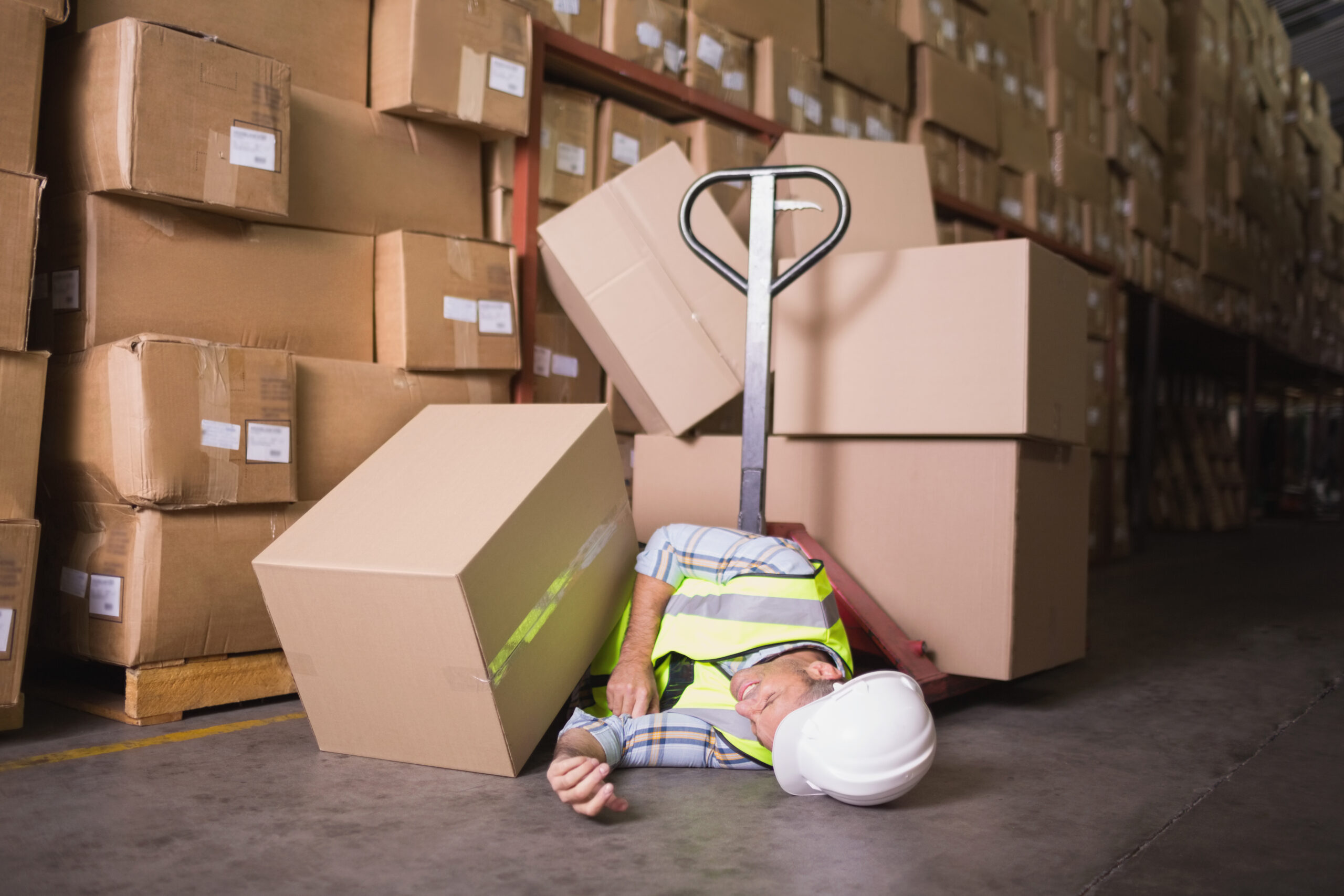
A legal or insurance-related claim arising from an employee injury, illness, or accident that occurs in the workplace. The workers' compensation claim is a formal request from an injured employee requesting benefits, such as medical care, lost wages, and rehabilitation. Forensic experts are often called in to investigate the cause of the incident, including analyzing safety protocols, equipment, employee actions, and environmental factors to determine liability.
Forensic experts in workplace injury claims investigate the incident to determine the cause and contributing factors and who was responsible, the employee or the employer. They may assess equipment, what the safety practices were in place, training, environmental hazards, and human factors. Their findings help establish whether negligence occurred from the employer or the employee.
Forensic evidence in workplace injury claims is gathered through various methods, including:
- Site inspections to assess the work environment
- Interviews with witnesses, including the injured party, coworkers, and supervisors
- Review of accident reports, safety records, and maintenance logs
- Examination of equipment involved in the incident
- Reconstruction of the accident based on the evidence available (e.g., accident diagrams, photos, and video surveillance)
Forensic investigations are often required for serious or fatal workplace accidents, including:
- Falls from heights (e.g., construction accidents)
- Machinery-related accidents (e.g., industrial equipment malfunctions)
- Slips, trips, and falls (in workplaces like offices or warehouses)
- Vehicle accidents (e.g., in warehouses or on construction sites)
- Exposure to hazardous materials (e.g., chemical spills or toxic substance exposure)
- Repetitive stress injuries (e.g., from improper ergonomics)
- Electrical accidents (e.g., electrical burns or shocks), Forensic analysis helps determine the cause of the incident and whether negligence or improper practices were involved
Forensic experts determine liability by evaluating multiple factors:
- Employer negligence: Assessing whether the employer failed to provide a safe work environment, appropriate training, or safety equipment
- Employee behavior: Analyzing whether the employee's actions contributed to the injury, such as disregarding safety protocols
- Third-party liability: Investigating if a third party, such as an equipment manufacturer or contractor, played a role in causing the injury
- Environmental hazards: Determining if workplace conditions (e.g., hazardous chemicals, poor lighting, or insufficient signage) contributed to the accident
Common causes of workplace accidents include:
- Unsafe working conditions (e.g., poorly maintained equipment, lack of safety barriers)
- Human error (e.g., failure to follow safety protocols, insufficient training)
- Equipment failure (e.g., malfunctioning machines, operator error, electrical issues)
- Improper ergonomics (e.g., repetitive motion injuries or improper posture)
- Environmental hazards (e.g., exposure to hazardous substances, inadequate lighting)
- Poor workplace design (e.g., cluttered workspaces, inadequate ventilation)
If a workplace injury is caused by equipment failure, forensic experts will investigate the cause of the failure. They will examine whether the equipment was defective, improperly maintained, or used incorrectly. If the equipment manufacturer, maintenance provider, or employer was negligent in ensuring the equipment's safety, they may be held liable. The worker may be entitled to compensation through workers' compensation or a third-party claim if another party is found to be at fault.
If a workplace injury is caused by employee error, forensic experts will investigate the cause of the failure. The expert will examine the equipment and determine if it is in proper working order and that safety guardings are intact. If so, then the expert will be able to determine if the employee contributed to their incident.
Forensic experts assess ergonomics by analyzing the work environment and the tasks performed to determine whether the setup was conducive to worker health. They consider factors such as workstation layout, posture, repetitive movements, and equipment design. Experts use biomechanical principles to evaluate whether poor ergonomics contributed to the injury, such as musculoskeletal disorders, repetitive stress injuries, or joint damage.
Witness testimony plays an important role in forensic workplace claims. Forensic experts often interview witnesses to gain insight into the accident, including coworkers, supervisors, and anyone who observed the incident. Testimonies can help clarify the sequence of events, actions taken by individuals involved, and whether safety protocols were followed.
Yes, forensic experts can examine the circumstances of the accident to determine if the employee was wearing proper protective gear. They may analyze injury patterns to assess whether the lack of protective gear contributed to the severity of the injury. Investigating the evidence will asisst the expert to determine whether the failure of or lack of PPE was due to employer or the employee error.

Civil Engineer
Harry J. Dales is a Civil Engineer with a Bachelor of Science degree in Civil Engineering and over 25 years of engineering experience. Mr. Dales has extensive experience in engineering and construction, including roadways, highways, parking lots, traffic controls…

Mechanical Engineer
Paul D. Doyle is a Mechanical Engineer with a Bachelor of Science degree in Mechanical Engineering, a Master of Science in Management, and more than 30 years of engineering experience. He worked in the automotive industry designing, building…

CIH, CSP — Vice President, Industrial Hygiene & Safety Specialist
Michael E. Goldberg, CIH, CSP is a Board Certified Industrial Hygienist and a Board Certified Safety Professional with a Bachelors of Science Degree in Occupational Environmental Health and Safety and a Masters of Science Degree in Environmental Health and Industrial Hygiene, with over 30 years…