
Medical Malpractice
In medical malpractice legal cases, both plaintiff and defense attorneys want forensic expertise that is thorough, objective, and grounded in real-world clinical standards. At our firm, we offer in-depth forensic services that cover a wide range of medical malpractice issues, including medical implants, medical devices, equipment and tools, medication errors, surgical nursing procedures, patient care and neglect, and patient handling procedures. Attorneys rely on us to identify whether a deviation from the standard of care occurred and to determine whether that deviation caused or contributed to patient harm.
One of the first things legal professionals ask us is, "Did the healthcare provider follow accepted standards, and was the outcome preventable?" We approach each case by thoroughly reviewing medical records, incident reports, equipment specifications, clinical guidelines, and regulatory standards. Our team includes experts in nursing, biomedical engineering, and surgical care, allowing us to evaluate both human error and technical factors. Whether the case involves improper handling of a medical device, incorrect medication administration, or post-operative care failures, we provide a clear and evidence-based analysis.
For plaintiff attorneys, we help build strong cases by identifying how a healthcare provider's actions—or inaction—led to preventable injury or death. This might involve showing that a surgical tool malfunctioned due to improper use, a nurse failed to follow safe patient handling protocols, or that neglect contributed to a patient's decline. For defense counsel, we offer unbiased evaluations of the care provided, showing when the actions taken were within standard clinical practice or when complications were unrelated to any negligence. Our goal is always to present the facts as they are, backed by documentation, science, and experience.
Attorneys also need forensic experts who can translate complex medical and technical issues into language that judges and juries can understand. That is one of our strengths. We prepare clear, well-supported expert reports, demonstrative exhibits, and provide professional testimony that helps non-medical audiences grasp the key issues. Whether we are explaining how a medical implant was used incorrectly or why a nurse followed the correct protocol during a patient transfer, we focus on clarity, integrity, and credibility.
Ultimately, attorneys need more than just clinical knowledge—they need a forensic team that understands both medicine and the legal process. That is what we deliver. With decades of experience investigating medical malpractice claims, we bring together multidisciplinary expertise, meticulous attention to detail, and courtroom-tested communication skills. No matter how complex the case, we are here to help uncover the truth, support your position, and contribute to a clear and compelling presentation of the facts.

We can assit in Medical Malpractice cases that involve medical products, devices, or implants including:
- Surgical errors (e.g., malfunctioning of medical devices, incorrect use of implant, etc.)
- Medication errors (e.g., wrong dosages due to malfunction of infusion pumps, incorrect algorithm protection, etc.)
- Medical products malfunctions or design issues (e.g., host response, improper use, product failure, product design, etc.)
- Anesthesia errors (e.g., improper dosages, failure to monitor vital signs)
- Nursing negligence (e.g., failure to follow care protocols, improper patient monitoring)
Forensic experts assess the interaction of the medical device and the patient by reviewing the patient's medical history, diagnosis, treatments provided, and any complications. They analyze the interaction of the product with the patient and assess if the product worked as intended.
Medical product liability refers to legal responsibility held by manufacturers, distributors, or sellers for injuries caused by defective medical products, such as devices.
- Manufacturers
- Distributors and wholesalers
- Pharmacies or retailers
- Doctors or hospitals (in some hybrid cases)
- Design defects: Flaws in the original design
- Manufacturing defects: Errors during production
- Marketing defects (failure to warn): Inadequate instructions or warnings
Medical Device Malfunction:
- Unintended consequences
- Sudden change in health and/or symptoms
- Repeated error messages or inconsistent readings with diagnostic equipment
Improper Use of the Device:
- The device was used inconsistently with manufacturer instructions or medical guidelines
Delayed Diagnosis of Device Malfunction:
- The healthcare provider missed obvious signs of device failure (e.g., imaging showed a migrated stent, but nothing was done)
Ignoring Manufacturer Recalls or Warnings:
- A known defective device was used despite an active FDA recall or black box warning
Your provider did not notify you of a recall involving a device implanted in your body.
Yes, a doctor, hospital, or other healthcare provider can be held liable for medical errors if it is shown that the error resulted from negligence or failure to follow the standard of care. Liability may extend to medical staff, hospital administrators, or even pharmaceutical companies if their actions contributed to the error.
Technical / root cause analysis
Compliance
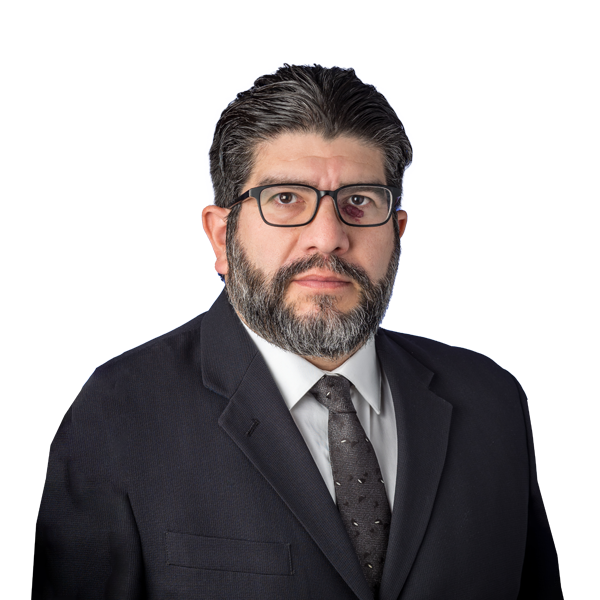
Ph.D. — Vice President, Biomechanical & Biomedical Engineer
Andrés J. Calderón, Ph.D., has a Bachelor of Science degree in Mechanical Engineering and a Master of Science and a Doctor of Philosophy degree in Biomedical Engineering. He has worked in the fields of biomechanical and biomedical engineering for over 16 years.

CIH, CSP — Vice President, Industrial Hygiene & Safety Specialist
Michael E. Goldberg, CIH, CSP is a Board Certified Industrial Hygienist and a Board Certified Safety Professional with a Bachelors of Science Degree in Occupational Environmental Health and Safety and a Masters of Science Degree in Environmental Health and Industrial Hygiene, with over 30 years…

BS, RN, RNFA, BC-NC — Registered Nurse
Maureen O’Donnell is a Registered Nurse First Assistant and Board-Certified Nurse Coach with over 20 years of nursing experience and a special focus in perioperative services as well as overall health and wellness.