
Medical Implants
Medical implant-related legal matters frequently involve assessment of implant performance and evaluation of the relationship between implant design, manufacturing, surgical placement, and resulting patient injury or complication. These cases may include joint replacements, spinal devices, cardiovascular implants, and related implantable technologies. Resolution requires detailed forensic investigation to establish implant failure causation, evaluate design adequacy and manufacturing compliance, assess surgical technique and implantation procedures, and evaluate the relationship between identified defects and injury causation. Comprehensive analysis demands expertise in biomedical engineering, materials science, implant design, manufacturing processes, surgical procedures, and applicable regulatory standards. Our firm provides forensic engineering investigation specialized in medical implant failure analysis.
Cases involving medical implant failures require systematic evaluation of implant condition, design specifications, manufacturing processes, materials properties, post-market data, surgical technique, and clinical outcomes. We conduct thorough examination of the retrieved implant or implant components, compare against design specifications and regulatory requirements, and perform a comprehensive review of medical records, surgical reports, and implantation documentation. Our multidisciplinary team of mechanical engineers and biomedical engineers performs materials testing, failure analysis, design evaluation, and performance assessment to evaluate implant functionality and failure mechanisms. Analysis includes review of post-market surveillance data, clinical literature, failure rate analysis, and regulatory compliance documentation. We evaluate whether implant defects occurred, assess the relationship between implant failure and patient injury, and evaluate contributing factors including implant design, manufacturing quality, materials properties, surgical technique, implantation procedure, and post-operative management.
Forensic investigation of medical implant failures addresses implant design adequacy, manufacturing process compliance, materials properties and biocompatibility, wear and degradation mechanisms, surgical technique assessment, implantation procedure evaluation, failure mode analysis, and causation assessment. Analysis may examine implant materials composition, structural integrity, manufacturing specifications compliance, surface characteristics, wear patterns, corrosion or degradation properties, design specifications, performance standards, biocompatibility data, surgical approach and technique, implantation positioning and alignment, post-operative imaging, clinical outcomes, post-market data and failure rates, regulatory compliance (FDA and ISO Standards), and alternative causation scenarios. We evaluate whether implant defects occurred, assess the significance of identified defects relative to implant performance and biocompatibility, evaluate whether implant failure contributed to injury causation, assess surgical technique relative to established procedures and standards, and assess the plausibility of alternative causes including improper surgical placement or inadequate post-operative management. Our approach is systematic and evidence-based; findings derive from physical examination, materials and failure analysis, design evaluation, performance testing, surgical procedure assessment, engineering analysis, and comparison to regulatory and clinical standards.
We provide detailed forensic reports addressing implant-specific technical factors, design and manufacturing evaluation, surgical technique assessment, and failure causation evaluation. Our analysis presents biomedical and mechanical engineering findings, failure analysis results, and causation assessment in structured, accessible formats suitable for non-technical audiences. We offer expert testimony for depositions and court proceedings, communicating technical findings, implant failure mechanisms, surgical considerations, and causation conclusions clearly to judicial audiences.
Medical implant failure cases require rigorous forensic investigation and objective biomedical and mechanical engineering assessment. We are available to discuss how our forensic engineering expertise in medical implant analysis may support your case evaluation.
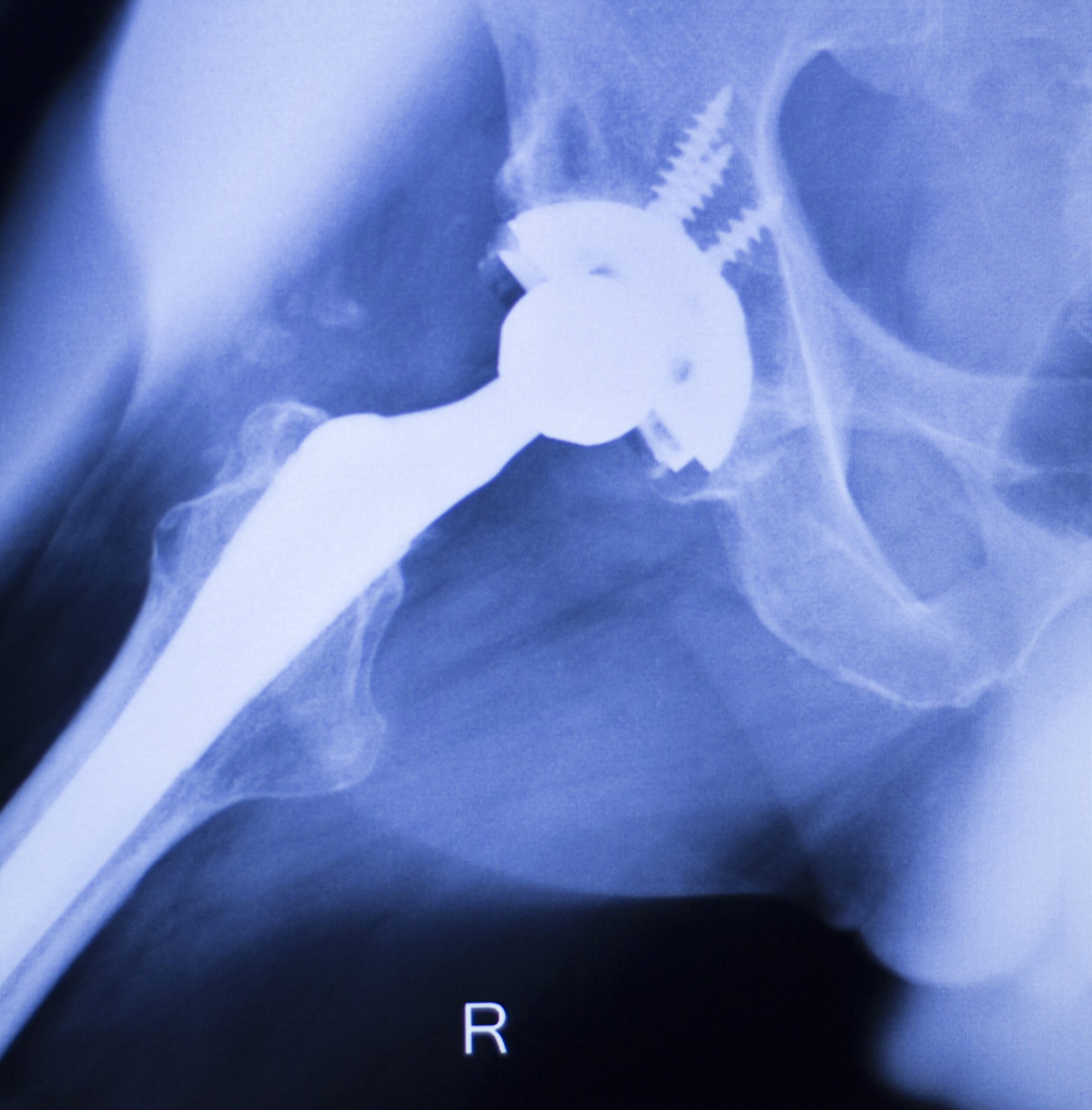
We can assit in Medical Malpractice cases that involve medical products, devices, or implants including:
- Surgical errors (e.g., malfunctioning of medical devices, incorrect use of implant, etc.)
- Medication errors (e.g., wrong dosages due to malfunction of infusion pumps, incorrect algorithm protection, etc.)
- Medical products malfunctions or design issues (e.g., host response, improper use, product failure, product design, etc.)
- Anesthesia errors (e.g., improper dosages, failure to monitor vital signs)
- Nursing negligence (e.g., failure to follow care protocols, improper patient monitoring)
Forensic experts assess the interaction of the medical device and the patient by reviewing the patient's medical history, diagnosis, treatments provided, and any complications. They analyze the interaction of the product with the patient and assess if the product worked as intended.
Medical product liability refers to legal responsibility held by manufacturers, distributors, or sellers for injuries caused by defective medical products, such as devices.
- Manufacturers
- Distributors and wholesalers
- Pharmacies or retailers
- Doctors or hospitals (in some hybrid cases)
- Design defects: Flaws in the original design
- Manufacturing defects: Errors during production
- Marketing defects (failure to warn): Inadequate instructions or warnings
Medical Device Malfunction:
- Unintended consequences
- Sudden change in health and/or symptoms
- Repeated error messages or inconsistent readings with diagnostic equipment
Improper Use of the Device:
- The device was used inconsistently with manufacturer instructions or medical guidelines
Delayed Diagnosis of Device Malfunction:
- The healthcare provider missed obvious signs of device failure (e.g., imaging showed a migrated stent, but nothing was done)
Ignoring Manufacturer Recalls or Warnings:
- A known defective device was used despite an active FDA recall or black box warning
Your provider did not notify you of a recall involving a device implanted in your body.
Yes, a doctor, hospital, or other healthcare provider can be held liable for medical errors if it is shown that the error resulted from negligence or failure to follow the standard of care. Liability may extend to medical staff, hospital administrators, or even pharmaceutical companies if their actions contributed to the error.
Technical / root cause analysis
Compliance

Ph.D. — Vice President, Biomechanical & Biomedical Engineer
Andrés J. Calderón, Ph.D., has a Bachelor of Science degree in Mechanical Engineering and a Master of Science and a Doctor of Philosophy degree in Biomedical Engineering. He has worked in the fields of biomechanical and biomedical engineering for over 16 years.

CIH, CSP — Vice President, Industrial Hygiene & Safety Specialist
Michael E. Goldberg, CIH, CSP is a Board Certified Industrial Hygienist and a Board Certified Safety Professional with a Bachelors of Science Degree in Occupational Environmental Health and Safety and a Masters of Science Degree in Environmental Health and Industrial Hygiene, with over 30 years…

BS, RN, RNFA, BC-NC — Registered Nurse
Maureen O’Donnell is a Registered Nurse First Assistant and Board-Certified Nurse Coach with over 20 years of nursing experience and a special focus in perioperative services as well as overall health and wellness.