

 August 6, 2025
 3 min read
 Share
We generally think of automotive safety as including driver attentiveness and ability, in combination with the vehicle’s safety devices. A vehicle speed of 50 mph is traveling 74 feet/second. When a hazardous condition occurs ahead while you are distracted for only one second, your available stopping distance is reduced by 74 feet, which means that you are 74 feet closer to disaster and if you crash, there will be greater energy acting on your body.
According to the National Highway Traffic Safety Administration (NHTSA), “driver distraction resulted in at least 3,000 known deaths in 2019. Often distracted driving is thought to center around cell phone use and texting. However, distracted driving also includes other activities such as adjusting the radio or climate controls or accessing other in-vehicle systems. To improve safety, in-vehicle devices and Human Machine Interfaces (HMI) can be strategically designed to avoid or limit opportunities for driver distraction.”
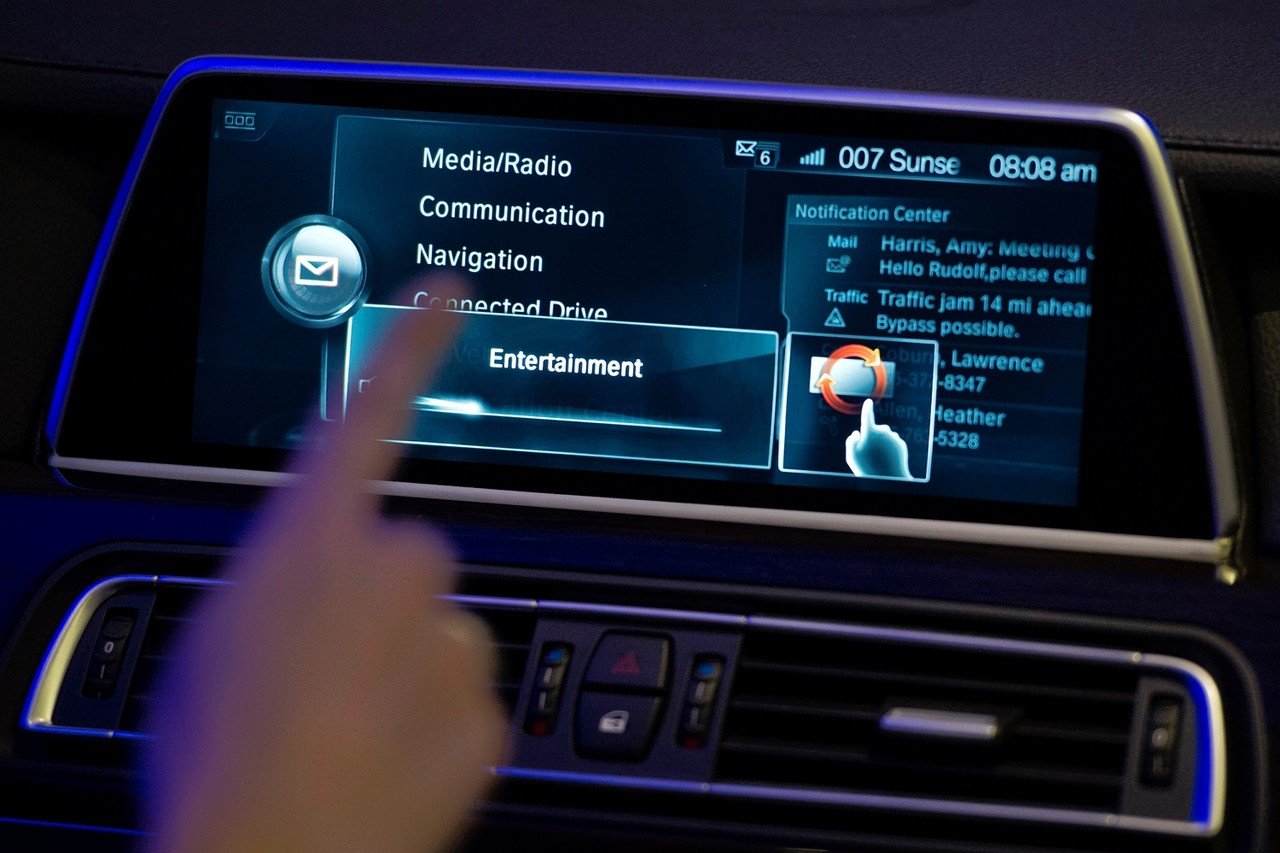
Today’s vehicles have on-dash touch screen displays. More and more controls for occupant use during active driving circumstances have been moved from manual buttons or switches to the touch screen. It is a distraction when the driver is listening to music and they have to change screens to see the GPS Map or focus on pop-ups for seat warmers or for ventilation adjustment.
European automotive design is currently considering a move back to certain physical controls that a driver becomes familiar with and can quickly and intuitively make an adjustment with less or no need to focus on changing the on-dash touch screen to access the desired control. Hopefully, USA manufacturers will not be far behind.
To understand the issue of bringing your vehicle to a safe stop, we need to consider driving habits and the stopping ability of the vehicle. To observe a condition ahead, perceive this to be a hazard and to react to this by depressing the brake takes about 2.5 seconds. At 50 mph this represents traveling 185 feet before depressing the brake pedal so that your vehicle can begin to slow. Circumstances like driving above the posted speed limit or tailgating further affects the available safe stopping distance.
Next, consider your vehicle’s ability to stop. For example, a BMW M series has a stopping distance of 104 feet from 60 mph to 0 mph. Compare this to a Dodge Ram pickup with a stopping distance of 180 feet from 60 mph to 0 mph. So even if you stop, the vehicle behind you may not. Further, if you are distracted by your on-dash touch screen, you will be losing an additional one-second of stopping time, which can be disastrous.
All of this considers a vehicle as delivered from the factory, with the braking system in prime condition and appropriate tires with reasonable tread.
So, my recommendation for evading or surviving a crash is to avoid distractions and maintain your vehicle to factory specifications. Also, obey posted speed limits; they were set for your safety by engineers like me considering traffic volume and available sight distance. Do not tailgate and if you are being tailgated, just move over and let that vehicle pass because it is not worth your life to staunchly hold your position just to say you are right.
If you are handling an automobile accident, Accident Reconstruction may be able to determine if distracted driving was a factor. Contact us to discuss your matter.