

 August 29, 2023
 4 min read
 Share
The engineering design of roadways, parking lots, and property development for stormwater drainage has traditionally been based upon historic weather data and thereby developing expectations of future weather events. However, globally we have experienced weather conditions in more recent years of high winds, flooding, wildfires, or heatwaves. Certain storms have become more intense, which means we are experiencing a higher volume of precipitation in a shorter period of time. Currently, the traditional approach of establishing building codes and standards to design for stormwater collection and transmission in response to historic weather events is difficult due to rapidly changing global weather events. In 2019 the Global Resiliency Dialogue was launched, which included code development organizations, along with certain government and non-governmental agencies, from Australia, Canada, New Zealand, and the United States.
For new land development construction in Pennsylvania, New Jersey, and surrounding states this will mean complying with amended requirements for wind loading and stormwater drainage, collection, and discharge. Building codes address extreme weather events as part of the design standard, which are based on the probability of the occurrence of the specific event and consider the design requirements changing based on the potential severity of the event, location, or the importance of the building. [Reference the International Code Council, The Use of Climate Data and Assessment of Extreme Weather Event Risks in Building Codes Around the World.]
In simple terms, with more heat and water in the atmosphere and warmer sea surface temperatures, storm precipitation has been increasing and will provide more fuel to increase storm wind speeds. Therefore, building construction will have to become more robust along with the building envelope’s ability to shed moisture and prevent penetration. Site design will emphasize improvements in stormwater infiltration to reduce runoff, which takes time and has value during less intense periods of precipitation. Regardless, with storm intensity increasing, so will runoff, and often streams or rivers cannot accommodate newer higher discharge rates for the stormwater collection systems. Dependent upon topography, stormwater retention for later release may provide some relief for rivers overflowing their banks.
Some existing construction will fare well during these changing weather conditions. However, mostly dependent upon location, other existing construction is likely to experience new issues when these more intense storms occur.
About 20% of supercell thunderstorms produce tornadoes. However, based upon government weather data, the annual frequency of U.S. tornadoes through the most reliable portions of the historical record has remained relatively constant. That being said, there are typically about 16 tornadoes in Pennsylvania annually, but there were 50 tornadoes in 2021. So, tornadoes may occur, although there is presently no evidence that the threat will be greater than historically experienced. Regardless, winds will be greater along with a storm’s intensity.
Accordingly, new construction is warranted to include a continuous load path design. This means that the building structural components are securely tied together from the roof and into the foundation.
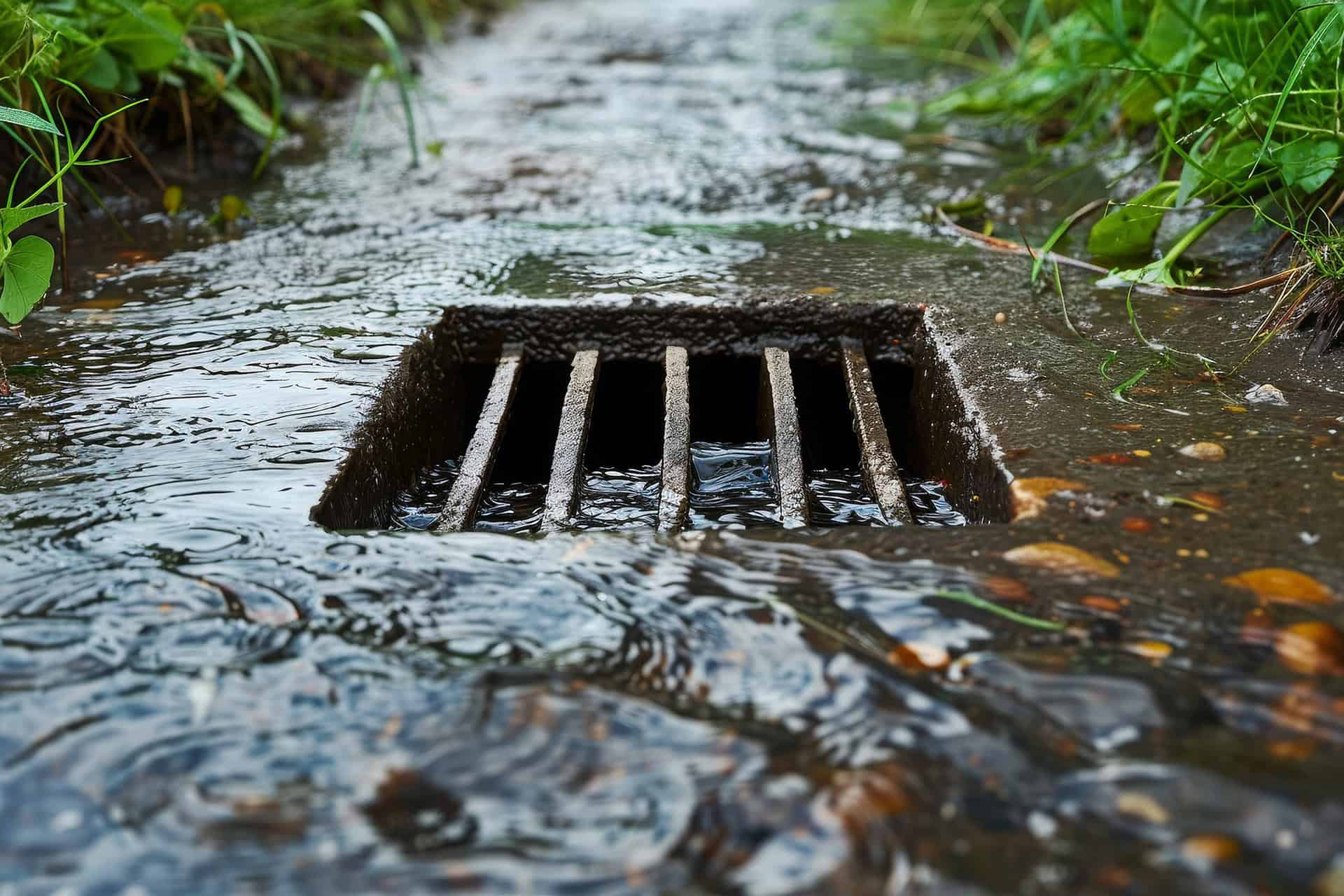
It is expected that new construction is likely to perform well when subject to these changing conditions. However, existing construction may incur damage from high winds of longer duration. During intense storms, rivers or streams may be flowing at or near their capacity thereby causing local flooding when stormwater sewers cannot efficiently drain.
Whether representing a Plaintiff or Defendant, if the damaged property was subject to an intense storm event, be certain to investigate the engineering and architectural design requirements for the original premises construction for comparison with the incident event. According to that finding, your next step will likely be to investigate the design, construction, or maintenance of the property. CESI has experts that can assist you in this process.