

 February 18, 2025
 4 min read
 Share
From years of investigating accidents, I have listed some of the personal practices we can use to prevent or reduce the occurrence of an injury. www.hopkinsmedicine.org states, “The top three causes of fatal unintentional injuries include motor vehicle crashes, poisoning, and falls.”
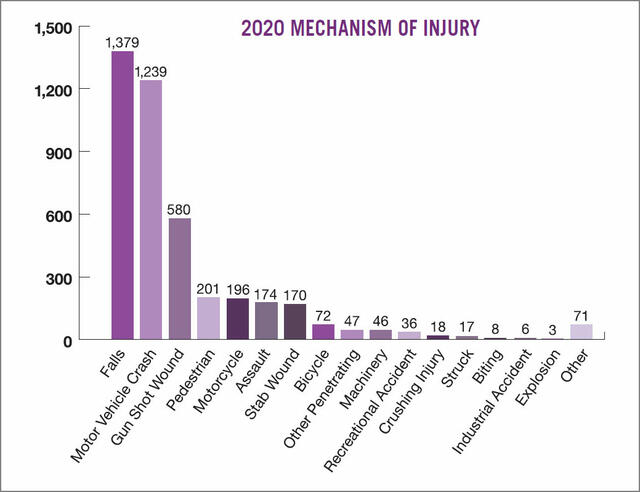
The Froedtert & Medical College of Wisconsin identified the following traumatic injuries with the intent to help people make safer choices:
No, we cannot eliminate all accidents or injuries. However, with good choices we can improve the likelihood of avoiding an injury, reducing the outcome of an injury, and possibly preventing a potential injury related death. Here is my short list of helpful hints for safer living:
Automotive:
Your car has a restraint system. To achieve the best benefits, you must be properly positioned. This means you should have your seat belt fastened and have your feet on the floor. Feet up on the dash or worse out an open window can be disastrous. Roadways have posted speed limits based in part on engineering evaluated sight distance, perception-reaction time, and vehicle stopping distance. Speeding increases the likelihood that during an emergency event you will have reduced time/distance to avoid a crash. And of course, don’t drink and drive, don’t text and drive, and don’t drive when you are tired.
Slips and Falls:
Start with wearing footwear that is secured/strapped to the foot with a reasonable outsole. A slip can result when there is a loss of friction between the outsole and the walking-surface. Certain footwear, like a flip-flop, introduces the opportunity for your foot to slip with a loss of friction on the insole, which primarily occurs under wet conditions like rain. Also, slip-resistance is the walking frictional resistance between the footwear bottom and the walking-surface. Therefore, the footwear bottom you choose can lessen your likelihood of slipping. Wear appropriate footwear for the weather and the conditions of walking use.
Other falls:
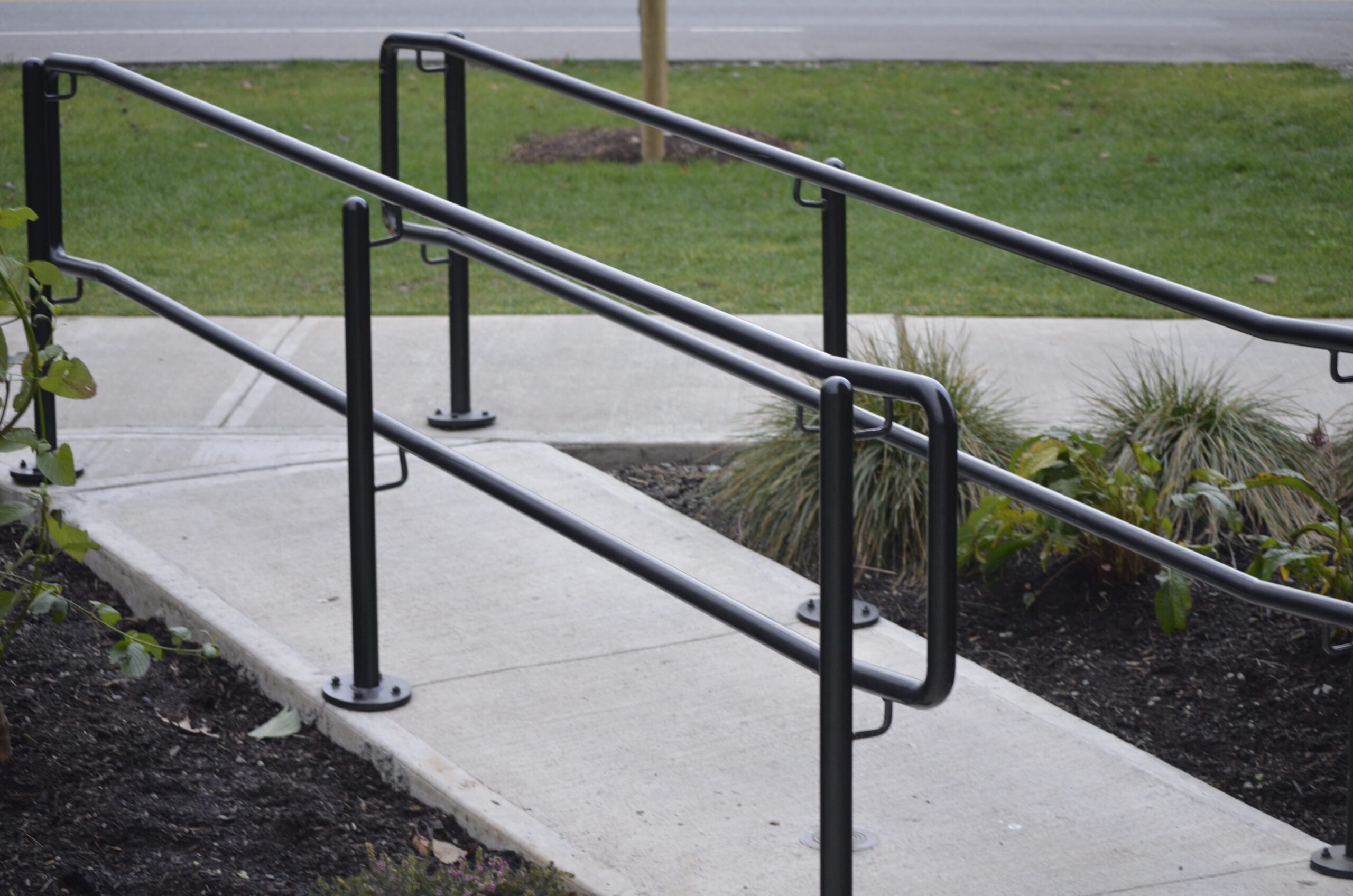
Use available handrails, you can wash your hands later. The effective use of handrails relies on having your hand in position to grasp the rail with a power grip when a loss of balance is initiated.
Using Appliances:
Read the instructions. When cleaning or opening appliances like grinders or food processors, unplug the appliance first. Do not use an electric appliance in a wet environment unless it is intended for wet use, like a wet/dry vacuum. But even for a wet vac, read and comply with the instructions.
Ladders:
Inspect ladders before use including the anti-slip feet/shoe. Do not use a damaged ladder. Currently, ladder manufacturers place labels defining the proper means of ladder setup and ascending or descending a ladder. Your body/mass should be between the side rails so that your weight is shared, and side rail bending is avoided. Also, you should maintain a three-point contact when climbing. Be sure to secure extension ladders.
Smoke Alarms and Carbon Monoxide Alarms:
Have operating smoke alarms on each floor of your home and in each bedroom. Batteries should be checked monthly and replaced yearly. The National Fire Protection Association advised, “Fire can spread rapidly through your home, leaving you as little as one or two minutes to escape safely once the smoke alarm sounds.” Additionally, CO alarms should be present in homes in particular when heated by fuels like gas or oil. The United States Environmental Protection Agency recommends one CO Alarm on each floor. Families should have an evacuation plan understood by all residents.
These are only some highlights. There is so much more to improving your personal safety. Regardless, in the built environment, there will be hazards that you do not control. Therefore, injuries may occur. This article is intended to be an aid in providing the opportunity to lower your risk of injury. For more information on any of these areas that you may have in litigation feel free to contact us.