
 May 14, 2024
 3 min read
 Share
OK, we are not quite there yet; however, Artificial Intelligence (AI) is coming.
These days are long gone:
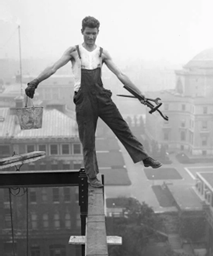
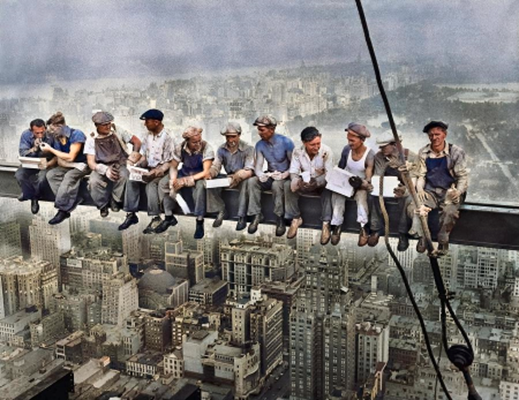
Reference Google Images.
Managing a construction work site encompasses a variety of project areas. Various construction trades/specialties are working individually and together during the course of a construction project. The architect and/or engineer defines the specifics of what will be constructed. The contractors provide the methods, means, and materials for construction. Therefore, there is a need to schedule each work discipline and to evaluate their ability to work on-site together while performing different aspects of construction. One method is a scheduling meeting where each discipline agrees that they have the ability to perform their designated work where worksite restrictions are likely to develop, since there will be other independent work efforts occurring simultaneously. Managing construction work is all about coordination.
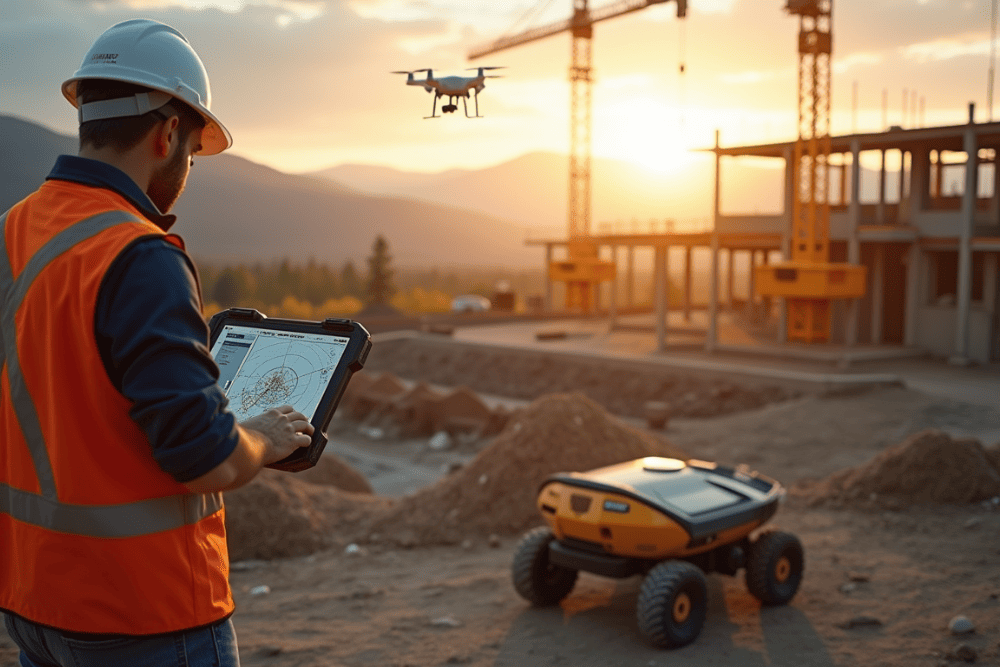
It is important to understand that safety trained personnel can walk through a work site to inspect for workplace safety. Safety personnel can identify issues like housekeeping deficiencies, review erected scaffolding, and evaluate lockout/tagout conditions. This is often completed during an early morning site walk-through. However, a construction site is constantly changing, and this is where AI will offer a safety advantage. AI can continuously monitor a work site. AI can aid in planning scheduled work while identifying the potential for hazards to workers.
AI is a developing tool and market. AI is not new, and it has been creeping into our worksites and our planning for safety. Automated work abilities have been and continue to be developed to perform certain work tasks that have a greater risk of causing injury. For example, repetitive stress injuries and lifting injuries can be reduced by using robotic type equipment to perform certain work efforts, which involves predictive logic. Wearable sensors or facial recognition systems can be used to track workers for the purpose of evaluating an individual’s capability and to thereby reduce the likelihood of injury. Cameras can monitor a work site and efficiently identify changing conditions that may create a new on-site hazard. With this information, a somewhat immediate response to a safety hazard can occur. This is often referred to as real-time safety monitoring. Further, AI can consider accident histories for a work task and then predict the risk of harm for that specific work task.
Using AI, a site safety person can plan their inspection schedule to observe active work during specific times when there is an expected elevated risk of harm. The concept to have the ability for a safety professional to arrive prior to an injury will obviously reduce the likelihood of construction site accidents. AI for construction worksites is in its early stages and is becoming available. However, this is a developing technology and market. We will continue to have the same on-site workers, safety managers/directors and hazards associated with construction. What is changing is a more effective ability to respond to an active work condition or planned work effort before injuries or deaths occur. For now, jumping into the AI safety field is voluntary; that is until we see changes in OSHA law and by construction organizations/standards writers rising to the challenge of embracing these new and upcoming technological capabilities. We are in a changing world, and it is time to recognize the safety benefits that are available or will soon be available.
Yes, Big Brother will be watching. Ok, not as a dictator or for the totalitarian empire, but our world is changing, and AI is coming.