
Unusual Accidents
In premises liability cases involving unusual or unexpected accidents, both plaintiff and defense attorneys are looking for expert analysis that can cut through the complexity and provide clear, credible answers about what happened—and whether it could have been anticipated or prevented. At our firm, we specialize in forensic investigations of these atypical incidents. From collapsing fixtures and mechanical malfunctions to freak chain-reaction events, we are called in when the circumstances are outside the norm and the legal questions are anything but straightforward.
Attorneys often ask us, “Was this event foreseeable, and could it have been prevented with reasonable care?” That is exactly the kind of question our investigations are designed to answer. We assess the physical environment, safety protocols, maintenance records, and any systems or equipment involved. Our multidisciplinary team brings together expertise in engineering, building codes, and safety standards, allowing us to evaluate how and why an unusual incident occurred—and whether the property owner or manager had any responsibility for it.
For plaintiff attorneys, we help establish how a failure to address a unique or hidden hazard contributed directly to an injury. We look at whether the hazard had occurred before, if warning signs were missed, or if standard safety protocols were ignored or inadequately applied. For defense counsel, we often demonstrate that the accident was truly unforeseeable, that the property owner followed industry norms, or that the injured party’s own actions played a significant role. Our commitment to objectivity ensures that our findings are respected in court and effective in negotiations.
Legal professionals also want to know that their expert can explain complex or unusual events in a way that makes sense to a jury. That is where we shine. We present our findings with clear logic, visual aids, and straightforward language that demystifies even the most complicated scenarios. Whether we are writing a report or testifying in court, we focus on building a narrative that is grounded in evidence and easy to follow—so judges and juries stay engaged and informed.
When you are dealing with an unusual premises liability case, you need more than a generalist—you need a forensic partner who can dive into the details, uncover the root cause, and communicate the facts with authority. That is exactly what we bring to the table. With a long history of investigating uncommon and complex accidents, we provide the technical expertise and litigation support attorneys need to build a strong, persuasive case—no matter how strange the incident might be.
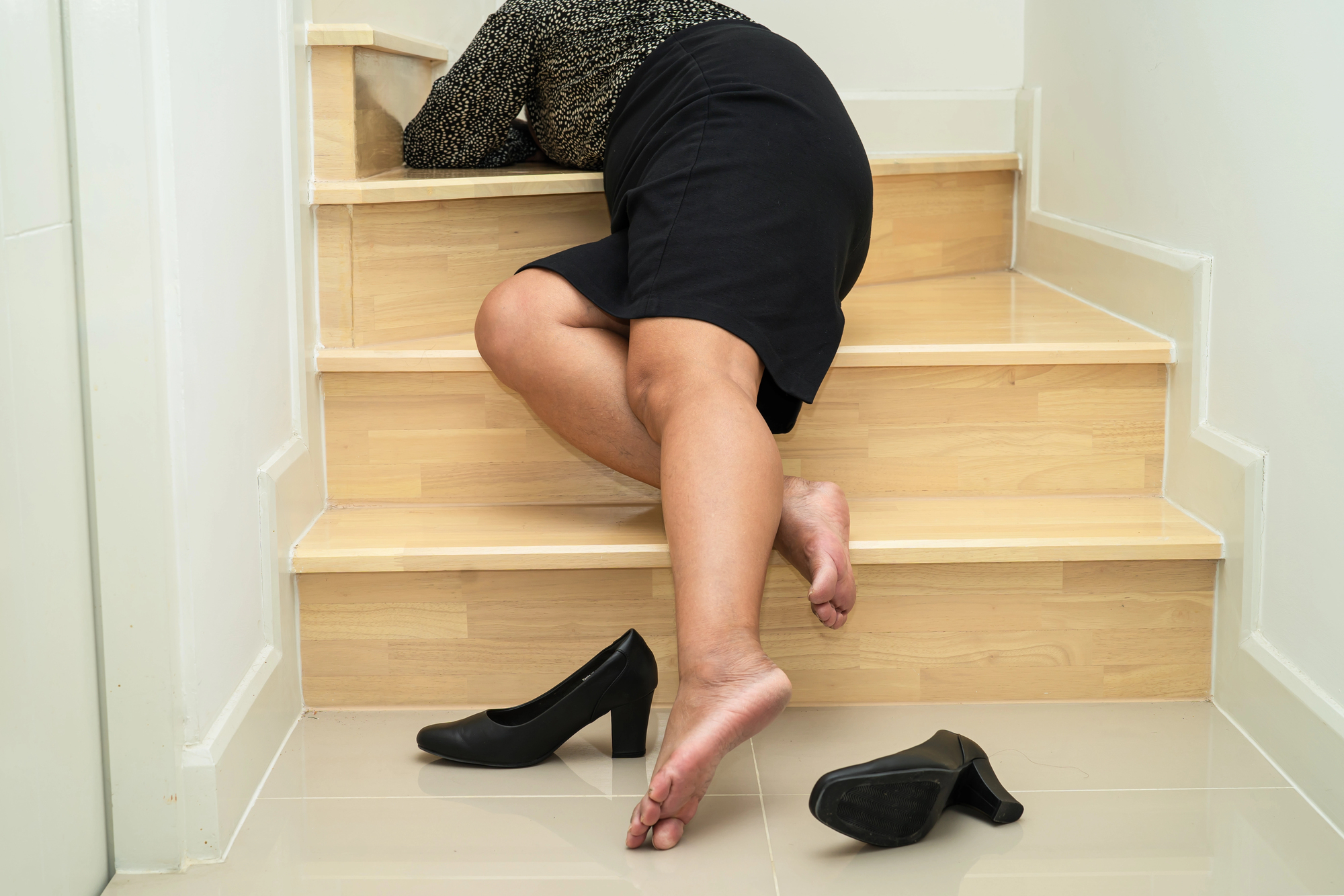
Premises liability is the area of law that holds property owners and occupiers responsible for accidents and injuries that occur on their property due to unsafe or hazardous conditions. This could include slip, trip, and fall accidents, injuries from falling objects, or accidents caused by poor maintenance or inadequate security on the premises.
Typically, the property owner or the person who occupies or controls the property (such as a landlord, business owner, or tenant) is responsible for maintaining the premises in a reasonably safe condition. However, responsibility can also extend to contractors or maintenance workers if their actions contribute to hazardous conditions.
Common accidents that fall under premises liability include:
- Slip-and-fall accidents (due to wet floors, uneven surfaces, or poor lighting)
- Trip-and-fall accidents (e.g., tripping over obstacles or poor flooring)
- Injuries from falling objects (e.g., merchandise falling in stores)
- Dog bites (if the property owner is negligent in controlling dangerous animals)
- Swimming pool accidents (due to poor maintenance or lack of safety measures)
- Security-related injuries (e.g., assaults due to inadequate lighting or security measures)
Property owners owe different duties to different types of visitors:
- Invitees (those invited for business purposes, like customers): Must keep the premises reasonably safe, warn of known dangers, and repair hazardous conditions
- Licensees (social guests): Must warn of known dangers but are not required to inspect the property regularly for hazards
- Trespassers (those on the property without permission): Owners generally owe no duty to trespassers except to avoid intentional harm, although there are exceptions for children and certain situations
Several factors determine liability in premises liability cases, including:
- Whether the property owner was aware of the hazardous condition
- Whether the owner had a reasonable amount of time to fix the problem
- Whether the property owner failed to fix or warn about a known hazard
- Whether the injured person was lawfully on the property
- Whether the injured person contributed to the accident through negligence
The time limit for filing a premises liability claim depends on the jurisdiction and is governed by the statute of limitations. Typically, you have between 1 to 6 years to file a lawsuit from the date of the injury, but the timeframe varies based on local laws and the type of claim. It’s important to file as soon as possible to avoid losing your right to pursue legal action.
If you were injured at a business or commercial property, the owner may be more likely to be held liable due to their higher duty of care to invitees (customers). Businesses are expected to maintain their premises and provide warnings about any hazards. They also may be required to regularly inspect the property for potential dangers.
If you are injured on someone else’s property, you should:
- Seek medical attention immediately, even if your injuries seem minor
- Document the accident scene with photos, noting any hazards or unsafe conditions
- Report the incident to the property owner or manager and get a copy of the report
- Collect witness information if there are any bystanders
- Consult with a premises liability attorney to assess your case and determine if you have grounds for a claim
If a property owner is uninsured or has limited insurance coverage, you may still pursue personal assets or file a claim against a third party (such as a contractor, maintenance company, or security firm) if their negligence contributed to the injury. If the property owner has liability insurance, it typically covers most premises liability claims.
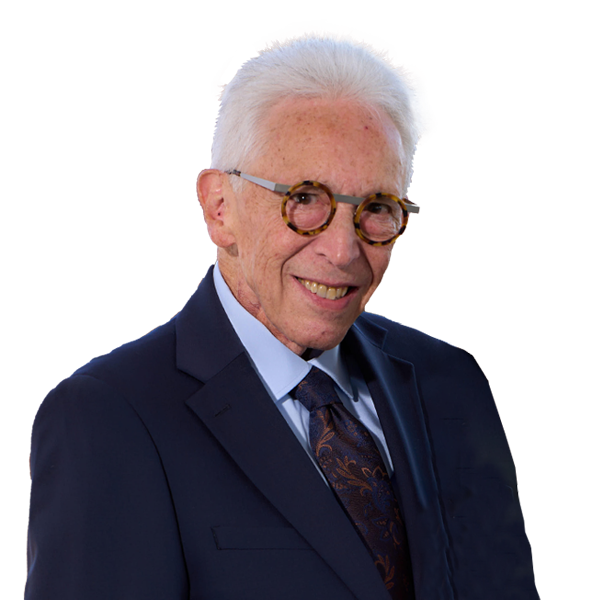
P.E. — President, Civil Engineer
Ronald J. Cohen, P.E., is a Civil Engineer with a Bachelor of Science degree and over forty years of engineering experience. Mr. Cohen joined the firm in 1994 and has served as its Vice President since 2003. Prior to joining Consulting Engineers & Scientists, Inc., Mr. Cohen was…
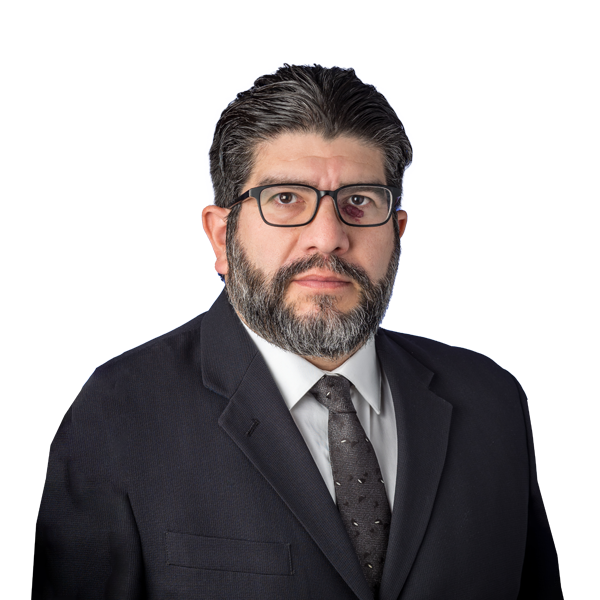
Ph.D. — Vice President, Biomechanical & Biomedical Engineer
Andrés J. Calderón, Ph.D., has a Bachelor of Science degree in Mechanical Engineering and a Master of Science and a Doctor of Philosophy degree in Biomedical Engineering. He has worked in the fields of biomechanical and biomedical engineering for over 16 years.

Civil Engineer
Harry J. Dales is a Civil Engineer with a Bachelor of Science degree in Civil Engineering and over 25 years of engineering experience. Mr. Dales has extensive experience in engineering and construction, including roadways, highways, parking lots, traffic controls…

CIH, CSP — Vice President, Industrial Hygiene & Safety Specialist
Michael E. Goldberg, CIH, CSP is a Board Certified Industrial Hygienist and a Board Certified Safety Professional with a Bachelors of Science Degree in Occupational Environmental Health and Safety and a Masters of Science Degree in Environmental Health and Industrial Hygiene, with over 30 years…

AIA, NCARB — Vice President, Registered Architect
David M. Kenney, A.I.A., is a Registered Architect with a Bachelor of Architecture degree and over twenty-five years of architectural experience. Prior to joining the firm, Mr. Kenney was founder and President of DM Kenney Architects with architectural and construction management…

AFAA — Certified Personal Fitness Trainer
Debra L. Hufnagel, AFAA, is a Certified Personal Fitness Trainer with over 15 years experience in physical fitness training and equipment. Prior to and concurrently with joining the firm, Ms. Hufnagel is the owner of Fit For Life, a personal fitness training company where she…
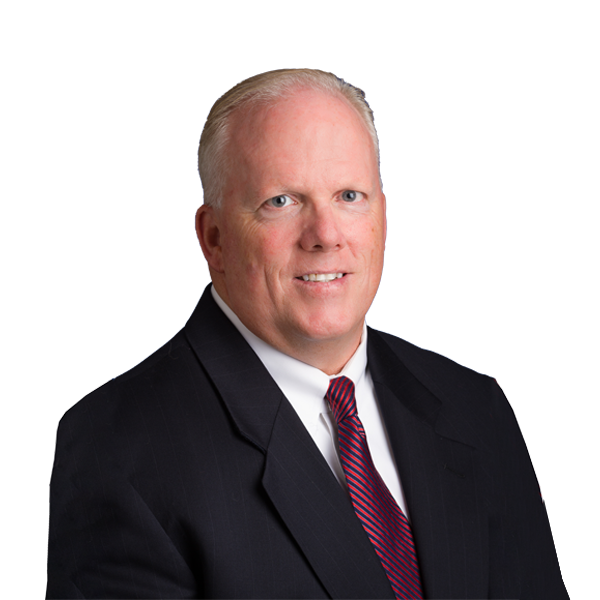
Safety & Security Consultant
Joseph T. Potterton has been the Operations Manager responsible for the training and education of 140 Security Officers and thousands of health care professionals employed at a large inner-city hospital in Philadelphia since 1992. He has over 25 years of experience…