
Roadway/Highway
When legal professionals approach us about a roadway or highway-related legal matter, they require careful analysis to understand the circumstances of the incident and what factors were relevant. These cases may involve complex questions regarding traffic engineering, visibility conditions, roadway design and construction, maintenance practices, signage and markings, compliance with regulations, and environmental conditions. Our firm provides comprehensive forensic investigation of roadway incidents to evaluate design and construction standards, maintenance practices, traffic control measures, and contributing factors. We offer evidence-based analysis to assist legal professionals in understanding the technical aspects of roadway-related cases.
Attorneys typically require understanding of whether roadway conditions complied with applicable standards at the time of the incident. We conduct investigation using accident scene analysis, roadway design plans, traffic data, maintenance records, and site inspection. Our experts systematically evaluate factors such as roadway grading and drainage, signage and marking compliance, sight distance and visibility, barrier condition and function, and temporary traffic control implementation in construction or work zones. We assess findings against applicable standards including state DOT regulations, the Manual on Uniform Traffic Control Devices (MUTCD), and industry best practices for roadway design and safety.
Our analysis integrates expertise in civil engineering, transportation planning, and accident reconstruction. Our team includes civil engineers, transportation professionals, and crash reconstructionists with knowledge of roadway design standards, traffic safety principles, and how design, construction, and maintenance factors may relate to incident circumstances. We systematically evaluate roadway conditions and identify any deviations from applicable standards or design practices. Whether the matter involves a rural intersection, an urban highway, or other roadway type, we provide comprehensive technical evaluation of relevant factors.
Our forensic reports are thorough, well-documented, and presented in clear language. We explain complex roadway engineering concepts and technical findings using visual aids including diagrams, timelines, photographs, and drawings. Our reports are designed for use in litigation and are accessible to legal counsel, judges, and juries. Our experts are experienced in providing testimony, presenting findings and analysis clearly and professionally. Regardless of whether the engagement involves representation of an injured party, a contractor, a municipality, or another defendant, our analysis maintains objectivity and is grounded in applicable standards and documented evidence.
If you are handling a highway or roadway-related legal matter and need expert forensic analysis to evaluate roadway design and condition, maintenance practices, traffic control measures, compliance with standards, or contributing factors, we are available to assist. Please contact us to discuss how our expertise in civil engineering, transportation safety, and accident reconstruction can address the specific technical and forensic questions in your matter.
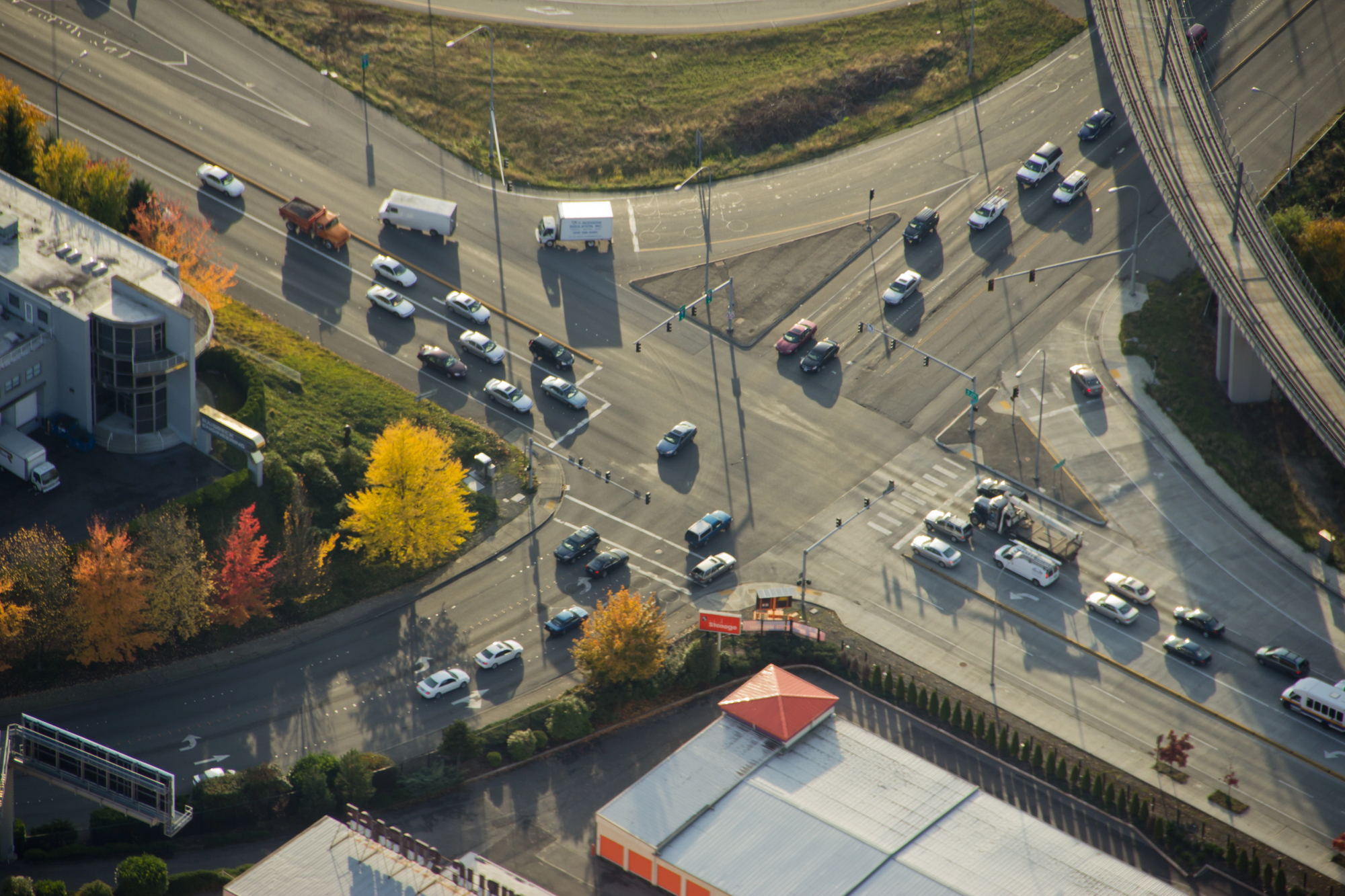
Accident reconstruction is the scientific process of investigating, analyzing, and interpreting the physical evidence of an accident to determine how it occurred, who or what was responsible, and the causes of the accident. It involves evaluating vehicle damage, road conditions, witness statements, and physical evidence of the scene.
Accident reconstruction is typically needed when there are disputes about the cause of an accident, or when the event is complex and requires a detailed analysis to determine fault. This is common in:
- Motor vehicle accidents (e.g., car, truck, motorcycle collisions)
- Pedestrian accidents
- Workplace accidents involving vehicles (e.g., industrial accidents, forklifts)
The process of accident reconstruction typically includes the following steps:
- Scene investigation: Examining/3D scanning the incident site, including the position of vehicles, road conditions, and skid marks
- Evidence collection: Gathering physical evidence such as debris, vehicle damage, tire marks, and photos or videos from the scene
- Data analysis: Analyzing the evidence using mathematical, physics equations (like momentum and energy), and simulation software/computer models and/or animations, to recreate the accident’s dynamics
- Expert testimony: Providing a professional analysis and opinion about how the accident occurred, and the factors that contributed to it
Evidence used in accident reconstruction can include:
- 3D Model: To understand the roadway design of the location and how the crash occured
- Vehicle damage: To determine the point of impact and the severity of the crash
- Skid marks: To estimate the speed and braking of vehicles
- Witness statements: To establish timelines and clarify how the accident happened
- Weather conditions: To assess how rain, fog, or other conditions may have influenced the accident
- Road conditions: To evaluate whether potholes, construction, or road design contributed to the incident
- Event data recorders (black boxes): In some vehicles, these devices record data such as speed, braking, and seatbelt use at the time of the crash
3D laser scanning is a technique used to capture highly detailed and accurate 3D representations of physical spaces or objects. In forensic investigations, this technology allows experts to document crime scenes, accident sites, and other locations with precision. It creates digital models of the scene, which can be analyzed and used for later reconstruction or as evidence in court.
Key factors in a forensic roadway investigation include:
- Road design and layout: Evaluating the geometry of the road, intersections, signage, visibility, and lighting
- Road conditions: Assessing surface conditions, such as potholes, ice, debris, or oil slicks, which may have contributed to the accident
- Traffic control devices: Analyzing traffic signs, signals, lane markings, and any failure in these devices
- Weather conditions: Examining how weather (rain, fog, snow, etc.) may have affected visibility, traction, or driver behavior
- Vehicle dynamics: Assessing vehicle speed, braking, tire marks, and vehicle trajectory
- Driver behavior and actions: Reviewing evidence related to driver actions, such as speeding, distracted driving, or impaired driving
- Witness testimony: Taking into account eyewitness accounts of the accident
- Crash data: Gathering information from black boxes (event data recorders) in vehicles or traffic cameras
Common causes of TBI include sudden impacts while the head is rotating during:
- Motor vehicle accidents: Collisions or crashes can result in head impacts or whiplash
- Falls: Especially common in older adults and children
- Sports injuries: High-contact sports like football, soccer, and hockey are frequent causes
- Violence: Assaults, including physical blows or gunshot wounds to the head
- Workplace accidents: Falls, heavy equipment accidents, or other hazards in the workplace
- Military combat: Explosive blasts or gunfire injuries can result in TBI
- Recreational activities: Bicycle accidents, skateboarding, etc.
Forklift operations are regulated by the Occupational Safety and Health Administration (OSHA) in the United States. Key regulations include:
- Operator training: OSHA requires that forklift operators be trained and certified to operate the machinery safely
- Inspection requirements: Forklifts must undergo daily safety checks and regular maintenance to ensure safe operation
- Safe operating procedures: These include maintaining a safe speed, avoiding sudden movements, and ensuring proper load handling and securing
- Workplace safety standards: Ensuring clear pathways, proper signage, and adequate lighting to reduce the risk of accidents
- Personal protective equipment (PPE): Wearing proper gear like helmets, gloves, and steel-toed boots is essential for workers

Mechanical Engineer
Paul D. Doyle is a Mechanical Engineer with a Bachelor of Science degree in Mechanical Engineering, a Master of Science in Management, and more than 30 years of engineering experience. He worked in the automotive industry designing, building…