
Professional Liability Claims
When legal professionals come to us with a professional liability matter, they require careful evaluation of whether a licensed professional — such as an engineer, architect, healthcare provider, or consultant — met the applicable standard of care in their field. These cases often involve detailed examination of professional judgment, decision-making, and adherence to professional standards. Our firm provides comprehensive forensic analysis to evaluate professional conduct and practices against applicable standards of care.
Attorneys typically require understanding of whether the professional's actions, omissions, or decisions deviated from the applicable standard of care and what relationship any deviations bear to alleged harm. We begin by reviewing documentation related to the matter — contracts, reports, communications, records, and applicable professional standards — to establish the timeline and context for the professional's actions and decisions. We then evaluate those actions against the benchmarks of the profession, using regulatory guidance and industry standards to assess whether deviations from the standard of care occurred. This systematic process enables assessment of what factors were relevant to the alleged harm.
Our analysis is informed by our access to highly qualified professionals in various disciplines — many of whom hold licenses, certifications, or extensive experience in their respective fields. We conduct focused, impartial analysis of professional conduct and decision-making. Whether the matter involves alleged malpractice, misrepresentation, or execution errors, our team is skilled in evaluating professional conduct against the applicable standard of care and distinguishing between deviations from the standard and reasonable professional outcomes. Our work is grounded in established standards and documented evidence.
Our forensic reports are technically sound and presented in clear language. We ensure our findings are explained in a way that allows legal counsel, judges, juries, and arbitrators to understand the analysis and conclusions. Our specialists are experienced in providing expert testimony, presenting their analysis and conclusions clearly and comprehensibly in legal proceedings. Regardless of whether the engagement involves representation of the professional or evaluation of alleged deviations from the standard of care, our analysis maintains objectivity and credibility.
If you are handling a professional liability matter and need expert forensic analysis to evaluate professional conduct, adherence to applicable standards, causation, or industry standards, we are available to assist. Please contact us to discuss how our expertise and services can address the specific technical and forensic questions in your matter.
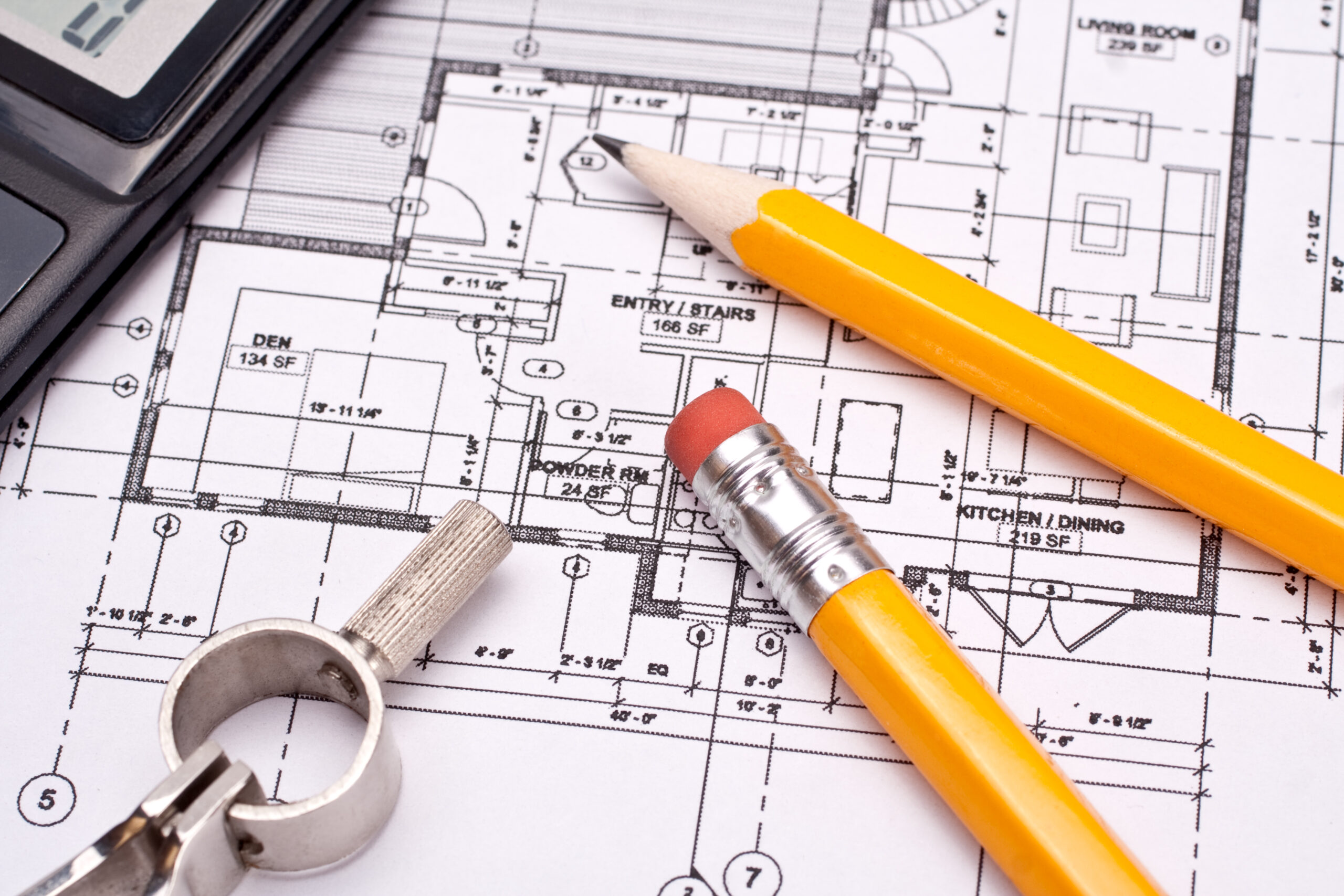
A forensic architect provides an expert investigation of defects in the built environment, researches relevant building codes, building design and construction standards, and building design and construction contracts for matters in litigation.
Forensic architecture helps in legal cases by reconstructing and analyzing physical environments, to provide context. This can be used to support or challenge testimonies, verify events, or provide clarity in complex situations.
Forensic architecture is used in a wide range of cases, including environmental disasters, building collapses, slip, trip, and falls due to defective walking surfaces and defective construction. It is particularly useful in situations where physical evidence or witness testimonies need to be verified or clarified.
While traditional forensic science focuses on physical evidence, forensic architecture focuses on the spatial and environmental context of an incident. It uses architectural analysis, spatial relationships, and visual evidence to reconstruct events and provide a more comprehensive understanding of what happened.
Forensic architects often collaborate with other experts, including engineers and forensic scientists. They may work alongside teams of investigators to analyze physical evidence, interpret data, and present findings in a way that supports legal objectives.
Forensic analysis is more detailed and typically performed after a problem has occurred (e.g., structural failure), focusing on cause, liability, and often litigation.
- General contractors
- Subcontractors
- Architects and engineers
- Project managers or consultants
- Material suppliers
- Property owners or developers
Liability depends on contracts, negligence, code violations, or breach of duty.
- Structural failure or collapse
- Water intrusion or mold
- Code non-compliance
- Poor workmanship or material defects
- Delays and cost overruns
- Foundation and soil issues
- Safety or OSHA violations
- As-built drawings vs. design plans
- Inspection reports and punch lists
- Photographs, videos, drone footage
- Material test results
- Correspondence, emails, RFIs
- Building code references
Yes. Courts and arbitrators can apportion fault based on responsibility, contract terms, or contribution to the issue.
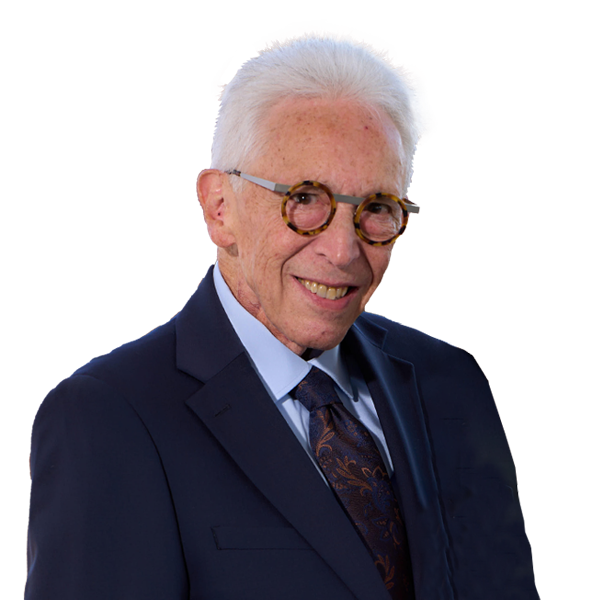
P.E. — President, Civil Engineer
Ronald J. Cohen, P.E., is a Civil Engineer with a Bachelor of Science degree and over forty years of engineering experience. Mr. Cohen joined the firm in 1994 and has served as its Vice President since 2003. Prior to joining Consulting Engineers & Scientists, Inc., Mr. Cohen was…

Civil Engineer
Harry J. Dales is a Civil Engineer with a Bachelor of Science degree in Civil Engineering and over 25 years of engineering experience. Mr. Dales has extensive experience in engineering and construction, including roadways, highways, parking lots, traffic controls…

AIA, NCARB — Vice President, Registered Architect
David M. Kenney, A.I.A., is a Registered Architect with a Bachelor of Architecture degree and over twenty-five years of architectural experience. Prior to joining the firm, Mr. Kenney was founder and President of DM Kenney Architects with architectural and construction management…