
Premises Safety
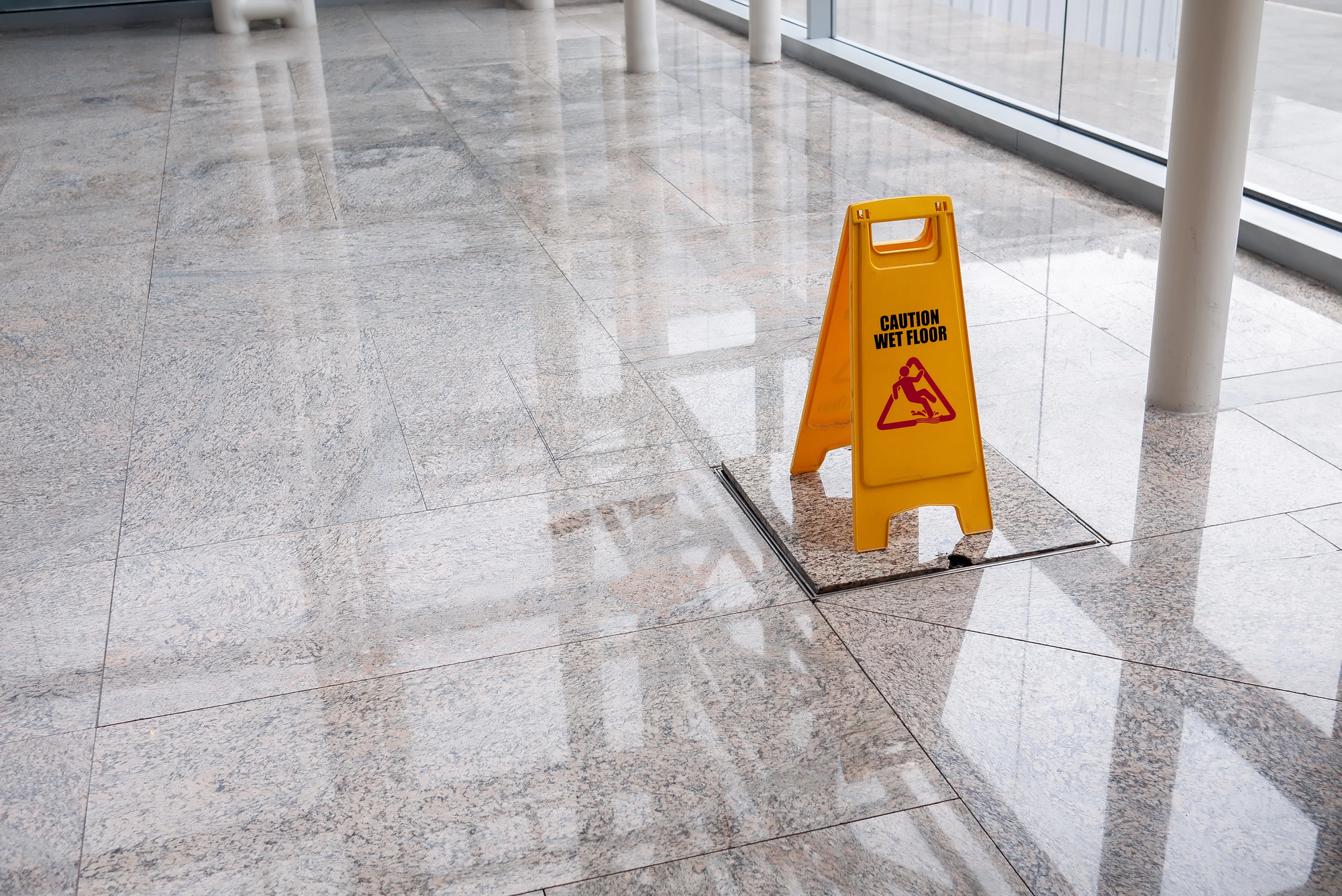
When legal professionals approach us with a premises safety matter, they require careful analysis to understand the condition of the property and what factors were relevant to an incident. Premises safety cases may involve multiple hazards including slip-and-fall circumstances, lighting conditions, staircase or structural conditions, walkway maintenance, and compliance with applicable safety standards and regulations. Our firm provides comprehensive forensic investigation to evaluate the physical condition of the premises, identify hazardous conditions, and assess adherence to applicable safety standards. We offer evidence-based analysis to assist legal professionals in understanding the circumstances and contributing factors relevant to the incident.
Attorneys typically require understanding of whether the property condition complied with applicable safety codes and standards, such as those established by OSHA, local building codes, and industry-specific regulations. We begin by reviewing incident reports, witness statements, and photographs of the location where the incident occurred. Our experts then conduct thorough inspection of the premises, evaluating conditions such as floor conditions, walkway configuration and condition, lighting levels, staircase and railing construction and condition, and equipment maintenance and condition. We also review documentation regarding the frequency and conduct of safety inspections and maintenance practices. Our analysis enables assessment of the premises' condition, adherence to applicable standards, and what factors were relevant to the incident.
Our analysis integrates expertise in civil engineering, biomechanical assessment, and occupational safety practices. We are knowledgeable in regulatory requirements for property maintenance and safety standards applicable to different facility types and uses. Our team evaluates whether safety systems and protective measures, including warning signage, safety barriers, and emergency equipment, were present and appropriate. Whether the case involves a commercial building, residential property, or public facility, we provide evidence-based analysis of the premises' condition and applicable safety standards.
Our forensic reports are thorough, well-documented, and presented in clear language. We explain technical aspects of premises safety and building codes in terminology that allows legal counsel, judges, and juries to understand the analysis and findings. Regardless of whether the engagement involves representation of an injured party or a property owner, our analysis maintains objectivity and is grounded in applicable safety standards, regulatory requirements, and documented evidence. We are available to provide expert testimony, presenting our findings and analysis in a clear manner that addresses the technical aspects of the premises and the incident.
If you are involved in a premises safety-related legal matter and need expert forensic analysis to evaluate property condition, compliance with safety standards, maintenance practices, or contributing factors, we are available to assist. Please contact us to discuss how our expertise in civil engineering, biomechanical analysis, and occupational safety can address the specific technical and forensic questions in your matter.
Forensic biomechanics is the study of how the human body responds to forces and motions, particularly in the context of accidents, injuries, or criminal events. Experts use principles from engineering, physics, mechanics of materials, and physiology to understand how injuries may have occurred and the dynamics of accidents.
Forensic biomechanists analyze the type and magnitude of forces involved in an incident, such as a car crash or slip and fall, and how these forces interact with the body. They consider factors like the position of the body, the movement at the time of impact, and the physical properties of the surfaces involved to determine whether the injuries are consistent with the accident.
Forensic biomechanists typically work on cases involving automobile accidents, falls, workplace accidents, product defects, sports injuries, and other incidents where human movement and forces are central to understanding how injuries occurred. They also analyze the testimony of the plaintiff to investigate if the description of the accident is consistent with the injuries and the dynamics of same incident. They can assist in criminal cases involving trauma, like shootings or blunt force trauma.
Forensic biomechanists use a range of tools and methods, including:
- Kinematic analysis (studying movement patterns)
- Force analysis (calculating forces and loads on the body)
- Human body models (computer simulations)
- Crash reconstruction (for vehicle-related accidents)
The biomechanist evaluates the accident's circumstances (such as speed, impact angles, and body positioning) and compares them to the types of injuries sustained. They examine the medical records to understand the type of injury and the physiology of the injured party to analyze the relationship between the injuries and the dynamics of the accident. They can use biomechanical models to simulate the incident and predict the likely injury patterns based on the forces involved.
Yes, forensic biomechanists can estimate the severity of injuries by assessing the amount of force applied and the way it was distributed across the body. They use their knowledge of injury thresholds (e.g., the force needed to break a bone or cause a concussion) to evaluate whether the injuries align with the forces and dynamics involved and whether the medical records show a pattern of injury that is consistent with the incident in question.
Unlike other injury analyses that might focus primarily on medical or anatomical aspects, forensic biomechanics focuses on the physical forces and movement dynamics leading to the injury. It incorporates engineering principles, physics, and human body mechanics to understand not only the injury itself, but also how and why it occurred.
Yes, biomechanics is often used in product liability cases where the failure of a product (such as a car seat, helmet, or safety equipment) leads to injury. Forensic biomechanists assess how the product interacted with the body during an incident and determine whether the product failed to prevent injury or function as expected.
Biomechanics experts communicate their findings by providing clear, scientifically-based testimony, often supported by visual aids like animations, simulations, or charts. They explain complex biomechanical concepts in ways that the jury or judge can easily understand, often demonstrating how forces acted on the body in a particular incident.

Ph.D. — Vice President, Biomechanical & Biomedical Engineer
Andrés J. Calderón, Ph.D., has a Bachelor of Science degree in Mechanical Engineering and a Master of Science and a Doctor of Philosophy degree in Biomedical Engineering. He has worked in the fields of biomechanical and biomedical engineering for over 16 years.