
Consumer Products
When legal professionals engage our firm on a consumer product matter, they are often addressing technical questions involving alleged design defects, manufacturing nonconformities, warnings and instructions, or product use conditions that may have contributed to an incident. Our role is to perform independent forensic engineering analyses to evaluate product performance and identify the factors that contributed to the reported outcome. At our firm, we specialize in forensic investigations for consumer products, bringing decades of experience in product safety, engineering, and failure analysis. Our job is to provide the technical insights and clear conclusions that will help you build a strong legal case.
Our work focuses on determining whether a product’s design, manufacture, labeling, and testing were consistent with applicable standards, industry practices, and reasonably anticipated use conditions. We assess potential failure modes, including design-related issues (e.g., structural capacity, stability, material selection), manufacturing variations (e.g., dimensional tolerances, assembly quality, material defects), and use-related factors (e.g., foreseeable misuse, adequacy of warnings and instructions). Our evaluations typically include review of design documentation, engineering drawings, specifications, production and quality records, test data, and incident information. When appropriate, we conduct inspections, testing, and failure analyses to evaluate product performance and develop evidence-based conclusions.
What distinguishes us from others in the field is our ability to break down technical details and present them in a way that is accessible and persuasive in a legal setting. We know that legal professionals are not just looking for raw data—they need expert opinions that can withstand cross-examination and support their case narrative. Our forensic reports are clear, comprehensive, and focused on the most critical aspects of the case. Additionally, we provide testimony that translates complex technical information in a way that makes sense in a courtroom setting
We are also highly collaborative with legal teams, ensuring our findings and expert opinions align with the legal strategy. Our team supports legal strategy by identifying the key technical issues, evaluating competing hypotheses, and clearly explaining engineering concepts in the context of the case. From initial case assessment through expert testimony, we provide consistent, defensible analyses intended to assist attorneys in understanding the technical aspects of product performance and safety.
If you are handling a consumer product matter and require engineering analysis or expert testimony related to product design, manufacturing, warnings, or standards compliance, CESI can assist.
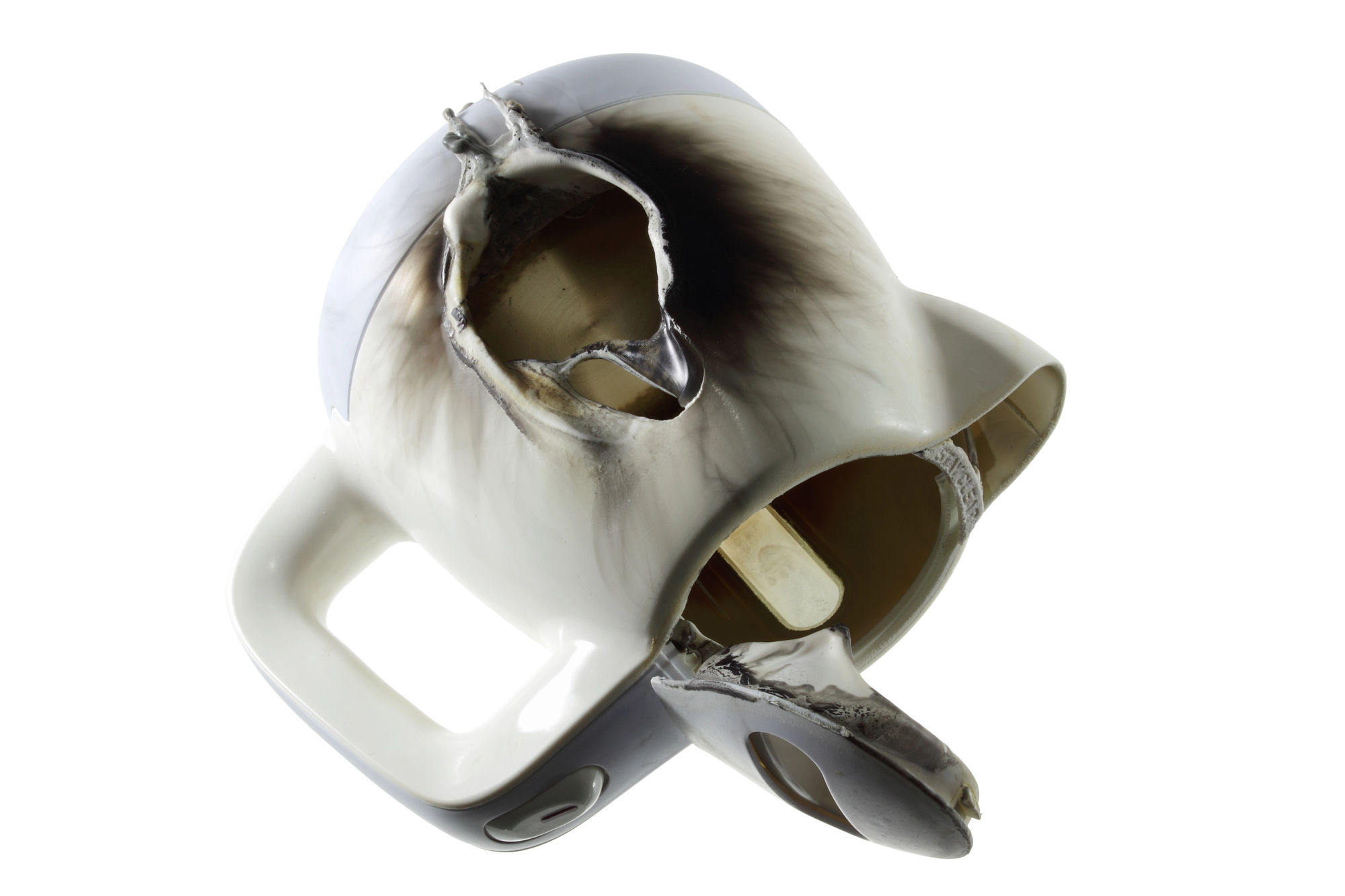
Forensic product liability involves the investigation and analysis of products to determine the cause of harm or injury, and evaluate if the incident was due to a defect, malfunction, failure or improper use. This may include examining design flaws, manufacturing defects, or improper labeling that may lead to accidents.
Forensic engineers investigate the technical aspects of a product to identify defects and determine their potential role in causing harm or injury. They may analyze materials, manufacturing processes, mechanical failures, improper use of the product, or design flaws that may lead to the product's malfunction.
The three primary types of product defects are:
- Design defects: Flaws in the product's design that make it unsafe even before it is manufactured
- Manufacturing defects: Errors or problems that occur during the production of a product that make it different from the intended design, resulting in hazards
- Marketing defects (or failure to warn): Insufficient labeling, inadequate instructions, or failure to warn consumers about potential dangers of using the product
Forensic experts use a combination of methods, such as product testing, accident reconstruction, and material analysis, to establish a link between the defect and the injury. We may also review the product's usage history, consumer complaints, and regulatory compliance to build a case.
Potentially liable parties include:
- Manufacturers: For defects in design, manufacturing, or labeling
- Distributors: If the defect was known or should have been known
- Retailers: If they sold a defective product or failed to follow safety guidelines
- Suppliers: For providing faulty raw materials or components
Evidence is collected through methods like:
- Product inspections and testing to identify defects
- Reviewing documentation such as design blueprints, manufacturing records, and quality control reports
- Analyzing accident reports, consumer complaints, and previous incidents involving the product
- Consulting expert witnesses to understand the product’s intended function and safety standards
The statute of limitations, or the time frame in which a product liability lawsuit must be filed, varies by jurisdiction. Typically, it ranges from 2 to 6 years from the date of the injury or from when the defect was discovered. In some cases, the statute of repose may also apply, limiting the time a claim can be brought after a product is sold.
In a product liability case, the plaintiff typically has the burden of proof, meaning they must demonstrate that the product was defectively designed, manufactured, or marketed, and that the defect directly caused their injury. Forensic experts also have to analyze how the user interacted with the product and if that interaction was foreseable and/or if the product was used in a way that was not intended by the manufacturer and caused or contributed to the incident. Expert testimony and physical evidence play a significant role in determining the outcome of the case.
A product recall is when a manufacturer or government agency pulls a product from the market due to safety concerns or defects. A recall may be triggered by the discovery of a defect that poses significant risks to consumers. While a recall doesn’t automatically prove liability, it can be used as evidence in a product liability case to show whether or not the manufacturer was aware of the defect.

P.E. — CEO
Paul K. Goldberg, P.E., has a Bachelor of Science degree in Metallurgical Engineering with over fifty years of engineering experience. In 1980, he created a corporation that evolved into Consulting Engineers & Scientists, Inc. and today serves as its President and CEO.

Ph.D. — Vice President, Biomechanical & Biomedical Engineer
Andrés J. Calderón, Ph.D., has a Bachelor of Science degree in Mechanical Engineering and a Master of Science and a Doctor of Philosophy degree in Biomedical Engineering. He has worked in the fields of biomechanical and biomedical engineering for over 16 years.

Mechanical Engineer
Paul D. Doyle is a Mechanical Engineer with a Bachelor of Science degree in Mechanical Engineering, a Master of Science in Management, and more than 30 years of engineering experience. He worked in the automotive industry designing, building…

CIH, CSP — Vice President, Industrial Hygiene & Safety Specialist
Michael E. Goldberg, CIH, CSP is a Board Certified Industrial Hygienist and a Board Certified Safety Professional with a Bachelors of Science Degree in Occupational Environmental Health and Safety and a Masters of Science Degree in Environmental Health and Industrial Hygiene, with over 30 years…