
Construction Accidents
When legal professionals reach out to us for help with a construction accident matter, they are often under pressure to quickly establish the facts, determine possible liability, and support or defend against serious claims. These cases are rarely straightforward—multiple contractors, complex worksites, and overlapping safety responsibilities make it hard to isolate what really happened. That is where our forensic expertise makes the difference. At our firm, we specialize in construction accident investigations, and we know how to uncover the critical details that determine the outcome of a case.
Legal teams want to know: Was the site compliant with OSHA and industry safety standards? Were proper procedures followed? What led to the incident? We answer these questions by thoroughly reviewing construction plans, safety documentation, site photos, witness statements, and physical evidence. Our multidisciplinary team includes forensic engineers, safety professionals, and construction experts who can analyze everything from scaffolding collapses to equipment-related injuries with accuracy and authority.
We have supported both plaintiff and defense counsel in cases involving falls, trench collapses, electrical accidents, and struck-by incidents. Our role often includes reconstructing the event, identifying the root cause, and clearly attributing responsibility based on industry standards and regulatory requirements. Legal professionals count on us not just for the depth of our technical analysis, but for our ability to translate that analysis into clear, compelling testimony that stands up in depositions and trials.
Our credibility is rooted in real-world experience and a history of courtroom-tested success. We have provided expert witness services in state and federal courts, arbitration hearings, and insurance investigations. From our first engagement, we work closely with attorneys to understand the legal strategy and tailor our work accordingly. That includes creating persuasive expert reports, demonstratives, and testimony that align seamlessly with your case narrative. When you work with us, you are getting a forensic partner who understands the legal, technical, and human dimensions of construction accidents.
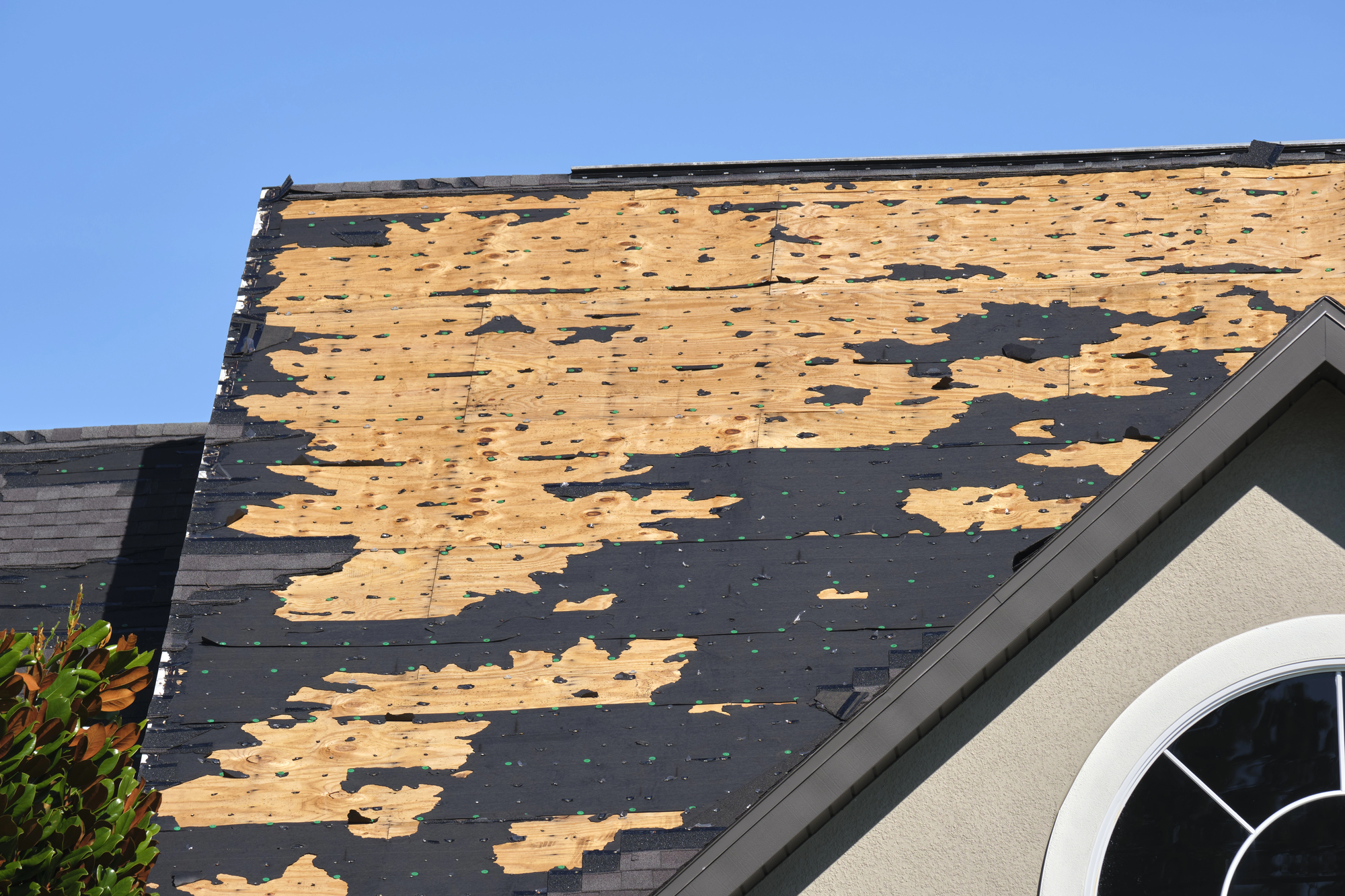
A forensic architect provides an expert investigation of defects in the built environment, researches relevant building codes, building design and construction standards, and building design and construction contracts for matters in litigation.
Forensic architecture helps in legal cases by reconstructing and analyzing physical environments, to provide context. This can be used to support or challenge testimonies, verify events, or provide clarity in complex situations.
Forensic architecture is used in a wide range of cases, including environmental disasters, building collapses, slip, trip, and falls due to defective walking surfaces and defective construction. It is particularly useful in situations where physical evidence or witness testimonies need to be verified or clarified.
While traditional forensic science focuses on physical evidence, forensic architecture focuses on the spatial and environmental context of an incident. It uses architectural analysis, spatial relationships, and visual evidence to reconstruct events and provide a more comprehensive understanding of what happened.
Forensic architects often collaborate with other experts, including engineers and forensic scientists. They may work alongside teams of investigators to analyze physical evidence, interpret data, and present findings in a way that supports legal objectives.
Forensic analysis is more detailed and typically performed after a problem has occurred (e.g., structural failure), focusing on cause, liability, and often litigation.
- General contractors
- Subcontractors
- Architects and engineers
- Project managers or consultants
- Material suppliers
- Property owners or developers
Liability depends on contracts, negligence, code violations, or breach of duty.
- Structural failure or collapse
- Water intrusion or mold
- Code non-compliance
- Poor workmanship or material defects
- Delays and cost overruns
- Foundation and soil issues
- Safety or OSHA violations
- As-built drawings vs. design plans
- Inspection reports and punch lists
- Photographs, videos, drone footage
- Material test results
- Correspondence, emails, RFIs
- Building code references
Yes. Courts and arbitrators can apportion fault based on responsibility, contract terms, or contribution to the issue.

P.E. — President, Civil Engineer
Ronald J. Cohen, P.E., is a Civil Engineer with a Bachelor of Science degree and over forty years of engineering experience. Mr. Cohen joined the firm in 1994 and has served as its Vice President since 2003. Prior to joining Consulting Engineers & Scientists, Inc., Mr. Cohen was…

Civil Engineer
Harry J. Dales is a Civil Engineer with a Bachelor of Science degree in Civil Engineering and over 25 years of engineering experience. Mr. Dales has extensive experience in engineering and construction, including roadways, highways, parking lots, traffic controls…

AIA, NCARB — Vice President, Registered Architect
David M. Kenney, A.I.A., is a Registered Architect with a Bachelor of Architecture degree and over twenty-five years of architectural experience. Prior to joining the firm, Mr. Kenney was founder and President of DM Kenney Architects with architectural and construction management…