
Confined Spaces
When legal professionals come to us with a confined space matter, they are usually facing serious questions of potential liability, safety compliance, and causation—often involving injury or fatality. These cases are complex and high-stakes, which is why they turn to us for precise, experienced forensic support. At our firm, we have investigated a wide range of confined space incidents, from hazardous atmospheric exposures to mechanical entrapments and ventilation failures. Our goal is always the same: to uncover what happened, determine why it happened, and provide clear, conclusions that hold up in court.
We bring specialized expertise in OSHA standards, industrial hygiene, and safety engineering, which are critical in confined space litigation. Legal professionals want to know whether the space was properly identified, if the correct entry procedures were followed, and whether atmospheric testing, rescue planning, and worker training met regulatory and industry standards. We are able to answer these questions through meticulous review of site conditions, incident reports, safety protocols, and physical evidence. Our investigations often reveal whether non-compliance, faulty equipment, or human error was the root cause—and we explain it in a way that makes sense in a courtroom setting.
One of our strengths lies in how we present findings. Legal cases need more than technical detail—they need a clear narrative built on facts. We have provided expert reports and testimony in both civil and regulatory cases, helping attorneys demonstrate or dispute negligence with solid evidence. Whether we are creating a detailed timeline of events, modeling gas concentrations over time, or identifying procedural failures, our work helps legal teams build stronger, more credible arguments.
We also understand the importance of being responsive and aligned with the legal process. From the initial consultation to deposition or trial, we coordinate closely with attorneys to ensure our work is timely, relevant, and legally sound. Our experts are seasoned in high-pressure litigation environments and are fully prepared to testify to our findings. When you bring us into your confined space case, you are gaining a partner who understands both the science and the stakes—and who is ready to support your legal strategy with integrity and authority.
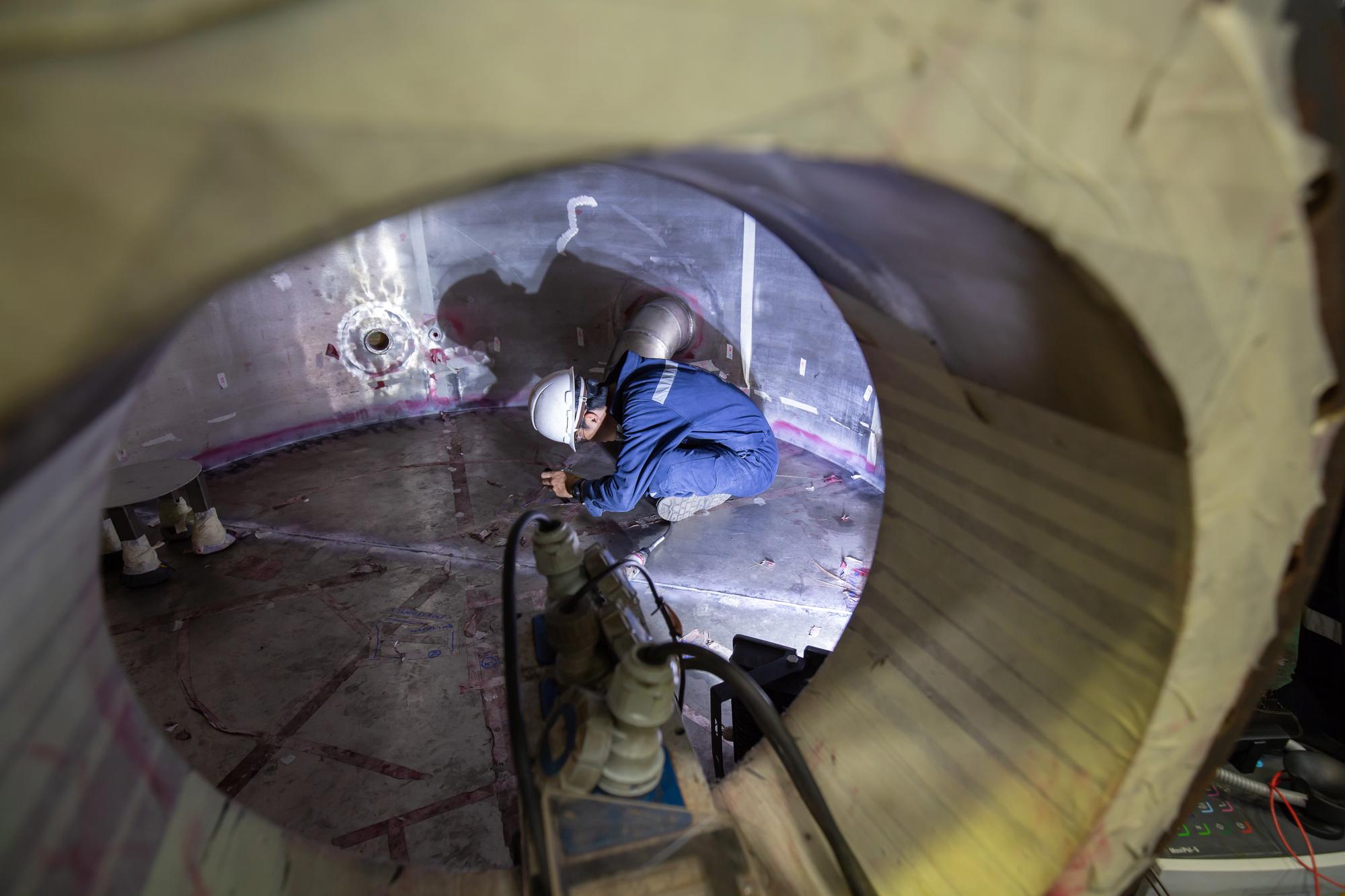
Occupational Environmental Health and Safety (OEHS) refers to the multidisciplinary field that involves ensuring a safe and healthy work environment by managing physical, chemical, biological, and ergonomic hazards. It includes preventing injuries, illnesses, and environmental risks that may affect workers, as well as minimizing the impact of workplace activities on the environment.
The main objectives of OEHS programs are:
- Prevention of workplace injuries and illnesses: Ensuring that workers are protected from hazards that could cause harm
- Compliance with health and safety regulations: Adhering to local, national, and international health and safety laws
- Environmental protection: Managing and reducing environmental risks arising from workplace activities
- Promoting employee well-being: Supporting workers' health and creating a safe and healthy work environment
- Ensuring risk management: Identifying, assessing, and controlling hazards in the workplace
Common workplace hazards that OEHS addresses include:
- Physical hazards: Noise, radiation, temperature extremes, and vibration
- Chemical hazards: Exposure to harmful chemicals, gases, vapors, and dust
- Biological hazards: Exposure to viruses, bacteria, fungi, and other pathogens
- Ergonomic hazards: Repetitive strain, awkward postures, and materials handling
- Psychosocial hazards: Stress, workplace violence, and harassment
- Mechanical hazards: Injuries related to machinery and equipment
- Environmental hazards: Pollution, waste disposal, and hazardous material storage
OSHA provides regulations and guidance on a variety of topics, including worker training, hazardous material handling, machinery safety, and general workplace safety. The agency also conducts inspections and investigations and issues citations when employers violate safety standards.
Key components of an effective occupational health and safety program include:
- Hazard identification and risk assessment: Identifying potential workplace hazards and evaluating their risks
- Control measures: Implementing engineering controls, administrative controls, and personal protective equipment (PPE) to reduce exposure to hazards
- Employee training: Ensuring workers are trained in safety protocols, emergency procedures, and the proper use of PPE
- Incident reporting and investigation: Reporting, documenting, and investigating workplace injuries or incidents to prevent future occurrences
- Emergency preparedness: Developing emergency response plans for accidents, chemical spills, or other hazardous events
- Health monitoring: Conducting regular health screenings and assessments for workers exposed to specific risks
- Compliance audits: Regularly evaluating the workplace for adherence to safety regulations and standards
A hazard assessment is a systematic process of identifying and evaluating potential hazards in the workplace. It involves:
- Identifying hazards: Includes reviewing work processes, tasks, equipment, materials, and the environment to spot potential dangers
- Assessing risk: Evaluating the likelihood and severity of injury or illness that could result from the hazard
- Implementing controls: Determining appropriate control measures to eliminate or reduce risks, such as using safety equipment, changing work procedures, or modifying the work environment
Key OSHA standards include:
- General Duty Clause: Requires employers to provide a workplace free from recognized hazards that are likely to cause death or serious harm
- Personal Protective Equipment (PPE): Employers must provide PPE to workers who are exposed to potential hazards
- Chemical Hazard Communication (HazCom): Requires employers to inform workers about hazardous chemicals in the workplace via labeling, Safety Data Sheets (SDS), and training
- Workplace Safety Programs: Employers are required to establish safety programs that address specific hazards such as fall protection, machine guarding, electrical safety, and fire safety
- Recordkeeping: Employers must maintain records of workplace injuries and illnesses, as well as make them available for OSHA inspections
Employers can reduce chemical hazards by:
- Substituting less hazardous chemicals: Where possible, replacing hazardous substances with safer alternatives
- Engineering controls: Using ventilation systems, fume hoods, or closed systems to minimize worker exposure
- Work practices: Implementing safer procedures for handling, mixing, or disposing of chemicals
- Personal protective equipment (PPE): Providing gloves, respirators, goggles, or other protective equipment to reduce exposure
- Training and education: Educating employees about the risks associated with chemicals, proper handling techniques, and emergency procedures
- Chemical storage and labeling: Ensuring chemicals are stored properly and clearly labeled according to the OSHA Hazard Communication Standard
PPE protects workers from exposure to various hazards. Types of PPE include:
- Head protection: Hard hats to protect against falling objects or head bumps
- Eye and face protection: Safety goggles or face shields to prevent injuries from chemicals, flying debris, or radiation
- Hearing protection: Earplugs or earmuffs to protect workers from harmful noise levels
- Hand protection: Gloves to protect against chemical exposure, cuts, or burns
- Respiratory protection: Masks or respirators to protect against airborne hazards such as dust, fumes, or chemicals
- Foot protection: Steel-toed boots or safety shoes to prevent injuries from falling objects or slips
- Body protection: Protective clothing, such as coveralls or aprons, to shield against chemicals, heat, or physical abrasions
Ergonomics is the study of designing work environments and tasks to fit the capabilities and limitations of workers. Proper ergonomics can prevent musculoskeletal disorders (MSDs) by:
- Designing workstations: Ensuring that equipment is set up to reduce strain, such as adjustable chairs, work surfaces, and proper tool placement
- Reducing repetitive motion: Implementing job rotation or breaks to reduce repetitive movements
- Proper lifting techniques: Training workers to lift heavy objects properly to avoid back injuries
- Workload management: Reducing tasks that require excessive force or awkward postures to minimize physical strain

CIH, CSP — Vice President, Industrial Hygiene & Safety Specialist
Michael E. Goldberg, CIH, CSP is a Board Certified Industrial Hygienist and a Board Certified Safety Professional with a Bachelors of Science Degree in Occupational Environmental Health and Safety and a Masters of Science Degree in Environmental Health and Industrial Hygiene, with over 30 years…