
Use of Force Protocols
When legal professionals reach out to us about a use of force protocol matter, they are typically trying to understand whether the actions taken — often by law enforcement, security personnel, or corrections officers — were reasonable, justified, and consistent with established procedures. These cases are incredibly sensitive and fact-intensive, often involving questions of civil rights, excessive force, or failure to follow proper escalation and de-escalation techniques. At our company, we bring deep forensic and policy expertise to help clarify whether the force used was in line with accepted professional standards.
Attorneys want to know whether the officer or agent involved followed department policies, training guidelines, and legal thresholds for the use of force. We start by examining body cam footage, incident reports, witness statements, dispatch records, training logs, and any relevant use of force policies. Our experts are former law enforcement professionals and use-of-force instructors — individuals who not only understand policy, but who have implemented and trained others on it.
What sets us apart is our ability to evaluate incidents from both a tactical and legal perspective. We consider the totality of circumstances: the subject's behavior, the officer's perception of threat, the availability of less-lethal alternatives, and whether there was a breakdown in communication or command. Our forensic analysis also considers timing, distance, and sequencing — key factors in high-pressure, split-second decisions. We provide expert insight into whether a reasonable officer in the same situation would have acted similarly.
We prepare detailed, objective reports that align with national standards and relevant court precedent. Whether you are building a defense for justified use of force or investigating possible violations of protocol, our reports and expert testimony are built to hold up under scrutiny in court.
If you are litigating a use of force protocol case and need reliable, credible forensic expertise, we are ready to assist. Let us discuss how our experience and insight can support your case with clarity, professionalism, and confidence.

To provide an impartial, fact-based opinion that helps the court or jury understand technical or complex issues beyond common knowledge.
- Specialized education or training
- Relevant work experience
- Certifications or licenses (if applicable)
- A history of credible, unbiased work
A fact witness testifies only about what they saw or experienced. An expert witness gives professional opinions based on education, experience, and analysis.
Usually early, during discovery or even pre-litigation, but definitely before trial. Early involvement helps shape strategy and preserve evidence.
- Credentials
- Scope of work
- Methods used
- Factual findings
- Opinions and conclusions
- Supporting documentation

AFAA — Certified Personal Fitness Trainer
Debra L. Hufnagel, AFAA, is a Certified Personal Fitness Trainer with over 15 years experience in physical fitness training and equipment. Prior to and concurrently with joining the firm, Ms. Hufnagel is the owner of Fit For Life, a personal fitness training company where she…
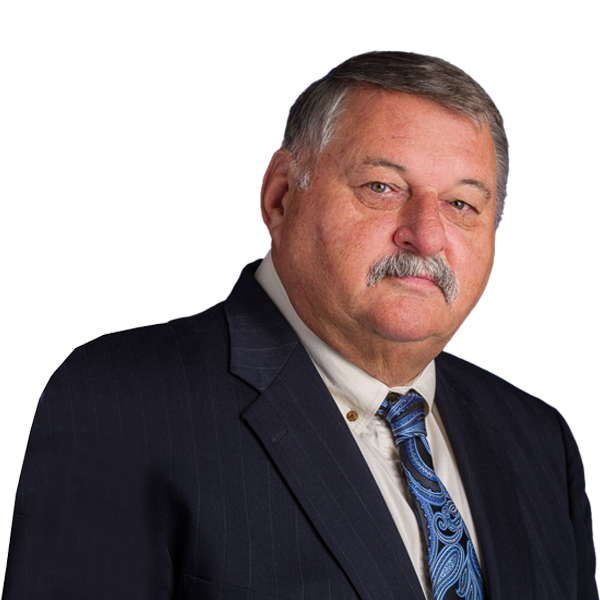
Firearms Safety & Correctional Facilities Consultant
Joseph F. Martin, Jr. has over 34 of experience in law enforcement, corrections, training and security. With a Bachelor’s of Science degree in education, certification by the New Jersey Police Training Commission as a Range Master, New Jersey Department of Personnel…

Safety & Security Consultant
Joseph T. Potterton has been the Operations Manager responsible for the training and education of 140 Security Officers and thousands of health care professionals employed at a large inner-city hospital in Philadelphia since 1992. He has over 25 years of experience…

Civil/Water Resource Engineer
Karl E. Schreiter, Jr., P.E. has a Bachelor of Science degree in Physics and a Master of Science degree in Water Resource Engineering. He has over twenty years of experience in the water and wastewater treatment industry which includes many aspects of both water and wastewater treatment.