
Protective Equipment
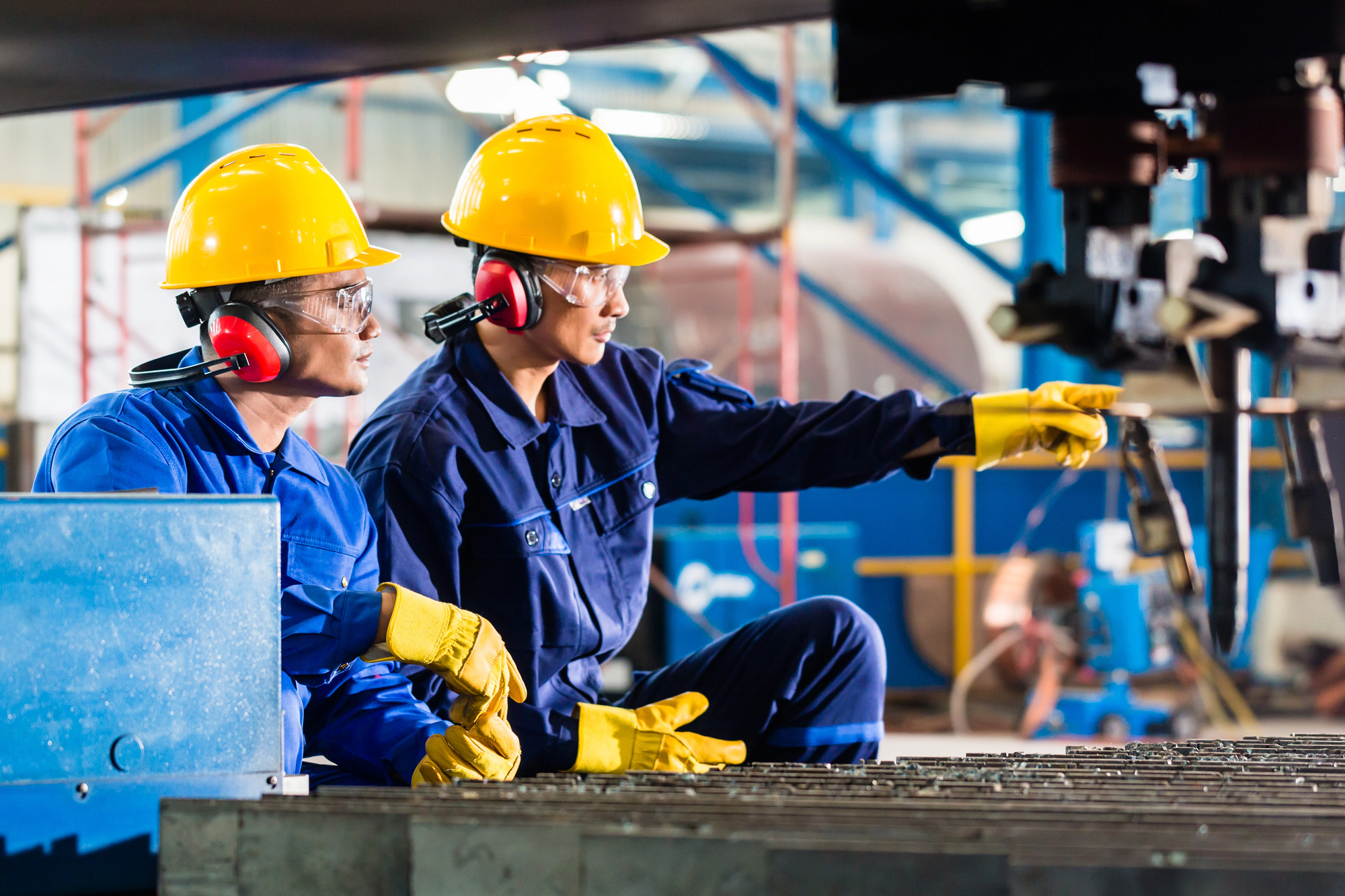
When legal professionals engage our team in matters involving protective equipment, the focus is often on establishing a clear understanding of the equipment’s performance, suitability, and compliance within the context of the incident. Key questions may include whether the equipment was appropriate for the environment and task, whether it met applicable regulatory and industry standards, and whether it was properly maintained and used. These issues are often central to evaluating causation, performance, and compliance in cases involving injuries or exposure where protective equipment was intended to reduce or eliminate risk. Our firm provides technical analysis and forensic evaluation to help clarify these factors through objective, evidence-based investigation.
Our work frequently involves assessing protective equipment such as respiratory gear, gloves, face shields, body armor, and fall protection systems to determine whether the equipment was suitable for its intended application and whether performance, condition, or use may have contributed to the outcome under review. This process may include reviewing product design specifications, industry certifications and standards compliance (including ANSI, OSHA, and NIOSH where applicable), maintenance records, and usage documentation. When equipment is available for inspection, we examine its condition and evaluate whether it was used in accordance with manufacturer guidelines and established operating procedures. Our analysis considers potential factors such as product condition, selection criteria, maintenance practices, environmental conditions, and user interaction.
Our forensic services draw on expertise in engineering, occupational safety, product testing, and industry standards across a range of sectors including industrial, medical, military, and construction environments. We evaluate both the intended design and the operational context in which the equipment was used. This may include reviewing safety protocols, training procedures, maintenance practices, and any documented concerns or known issues related to the equipment model involved. By examining both technical and operational factors, we aim to provide a comprehensive understanding of the circumstances surrounding the equipment’s performance.
Our forensic reports are developed to support litigation and dispute resolution through clear, well-documented, and technically grounded analysis. We present findings in straightforward language to assist attorneys, insurers, and fact finders in understanding complex technical issues during depositions, mediation, arbitration, or trial proceedings. Our role is to provide objective evaluations and evidence-based opinions that can assist all parties in understanding the technical aspects of the matter at issue.
If you are involved in a legal matter concerning protective equipment and require forensic analysis related to performance, compliance, or causation, our team is available to assist. We provide detailed evaluations and technically supported findings tailored to the needs of litigation, claims review, and risk assessment.
Forensic biomechanics is the study of how the human body responds to forces and motions, particularly in the context of accidents, injuries, or criminal events. Experts use principles from engineering, physics, mechanics of materials, and physiology to understand how injuries may have occurred and the dynamics of accidents.
Forensic biomechanists analyze the type and magnitude of forces involved in an incident, such as a car crash or slip and fall, and how these forces interact with the body. They consider factors like the position of the body, the movement at the time of impact, and the physical properties of the surfaces involved to determine whether the injuries are consistent with the accident.
Forensic biomechanists typically work on cases involving automobile accidents, falls, workplace accidents, product defects, sports injuries, and other incidents where human movement and forces are central to understanding how injuries occurred. They also analyze the testimony of the plaintiff to investigate if the description of the accident is consistent with the injuries and the dynamics of same incident. They can assist in criminal cases involving trauma, like shootings or blunt force trauma.
Forensic biomechanists use a range of tools and methods, including:
- Kinematic analysis (studying movement patterns)
- Force analysis (calculating forces and loads on the body)
- Human body models (computer simulations)
- Crash reconstruction (for vehicle-related accidents)
The biomechanist evaluates the accident's circumstances (such as speed, impact angles, and body positioning) and compares them to the types of injuries sustained. They examine the medical records to understand the type of injury and the physiology of the injured party to analyze the relationship between the injuries and the dynamics of the accident. They can use biomechanical models to simulate the incident and predict the likely injury patterns based on the forces involved.
Yes, forensic biomechanists can estimate the severity of injuries by assessing the amount of force applied and the way it was distributed across the body. They use their knowledge of injury thresholds (e.g., the force needed to break a bone or cause a concussion) to evaluate whether the injuries align with the forces and dynamics involved and whether the medical records show a pattern of injury that is consistent with the incident in question.
Unlike other injury analyses that might focus primarily on medical or anatomical aspects, forensic biomechanics focuses on the physical forces and movement dynamics leading to the injury. It incorporates engineering principles, physics, and human body mechanics to understand not only the injury itself, but also how and why it occurred.
Yes, biomechanics is often used in product liability cases where the failure of a product (such as a car seat, helmet, or safety equipment) leads to injury. Forensic biomechanists assess how the product interacted with the body during an incident and determine whether the product failed to prevent injury or function as expected.
Biomechanics experts communicate their findings by providing clear, scientifically-based testimony, often supported by visual aids like animations, simulations, or charts. They explain complex biomechanical concepts in ways that the jury or judge can easily understand, often demonstrating how forces acted on the body in a particular incident.

Ph.D. — Vice President, Biomechanical & Biomedical Engineer
Andrés J. Calderón, Ph.D., has a Bachelor of Science degree in Mechanical Engineering and a Master of Science and a Doctor of Philosophy degree in Biomedical Engineering. He has worked in the fields of biomechanical and biomedical engineering for over 16 years.