
Nursing Ethics
When legal professionals approach us with a nursing ethics-related legal matter, they are typically looking for expertise in evaluating whether a nurse’s actions—or failure to act—were in alignment with established ethical standards and best practices in healthcare. These cases often involve issues such as patient neglect, failure to report, breach of confidentiality, or inadequate care. At our firm, we specialize in providing expert forensic analysis that helps clarify whether a nurse's actions or decisions were ethically justified or if a deviation from standard practice led to harm. We combine our deep knowledge of nursing ethics, medical standards, and healthcare regulations to deliver a thorough examination of the case.
Legal professionals want to understand the ethical framework that governs nursing practice and how it applies to the situation at hand. Our forensic investigation starts by reviewing the relevant standards of care and ethical guidelines that govern nursing practice, including those set forth by professional organizations such as the American Nurses Association (ANA) and state licensing boards. We examine the nursing protocols followed, the care provided, and whether the nurse’s actions were consistent with the responsibilities they held. By evaluating the situation from both a clinical and ethical standpoint, we can assess whether the nurse’s decisions were appropriate and in line with ethical obligations to the patient or deviated from the institution's safe practices.
What sets us apart is our comprehensive understanding of both nursing practices and ethical decision-making. Our team includes experts in nursing and healthcare standard of care practices, allowing us to evaluate cases from multiple angles. Additionally, we can identify systemic factors that may have influenced the nurse’s decisions, such as understaffing, inadequate training, or institutional policies that may have contributed to ethical lapses.
Our forensic reports are designed to present clear, objective, and well-supported opinions, providing legal teams with the evidence needed to build a strong case. We explain complex ethical concepts and clinical practices in a way that is understandable to those without a medical background, ensuring that our findings can be effectively communicated in court. Whether you are representing a nurse facing allegations, seeking justice for a patient harmed by unethical practices, or representing a Health Care practice or system, our expert analysis can help strengthen your case.
If you are involved in a nursing ethics matter and need expert forensic analysis to evaluate whether ethical standards were met, we are here to help. Please contact us to discuss how our team’s experience and insights can support your case.

Causes of patient injuries can include:
- Medical malpractice: When healthcare providers fail to meet the standard of care, resulting in harm to the patient
- Negligence: Failure to properly monitor a patient, communicate with other healthcare providers, or ensure safe equipment use
- Inadequate training or staffing: Insufficient training of healthcare professionals or understaffed medical facilities can lead to mistakes
- Equipment malfunction: Faulty or outdated medical equipment that causes harm to patients
- Patient-related factors: Pre-existing conditions, allergies, or non-compliance with medical instructions can contribute to injury
Yes, patients can sue for injuries caused by defective medical devices or drugs. These cases are often pursued under product liability law, where the manufacturer, distributor, or designer of the product can be held liable if the device or drug was defectively designed, manufactured, or labeled. Common examples include implantable devices, faulty prosthetics, or drugs with dangerous side effects that were not properly disclosed.
Healthcare facilities can take several steps to prevent patient injuries, such as:
- Training staff regularly on patient safety protocols, infection control, and handling medical equipment
- Implementing proper patient safety protocols for falls, medication administration, surgical procedures, and infection prevention
- Using technology like electronic health records (EHR) to reduce errors in medication or diagnosis
- Regularly maintaining and inspecting equipment to ensure it is functioning properly
- Engaging patients in their own care by ensuring they are well-informed and involved in decision-making
An expert is crucial in patient injury and medical malpractice cases. They provide testimony to establish:
- The standard of care: What a competent healthcare provider should have done in the same circumstances
- Breach of standard: Whether the healthcare provider failed to meet the standard of care
- Causation: Whether the injury was directly caused by the healthcare provider’s actions or negligence and/or if a medical product was also involved in the incident
Yes, patient injuries can lead to legal claims even if the healthcare provider was not negligent. Strict liability laws may apply in cases involving defective medical devices or products. However, proving negligence is typically required in medical malpractice claims, where the patient must demonstrate that the provider deviated from accepted practices or standards of care.
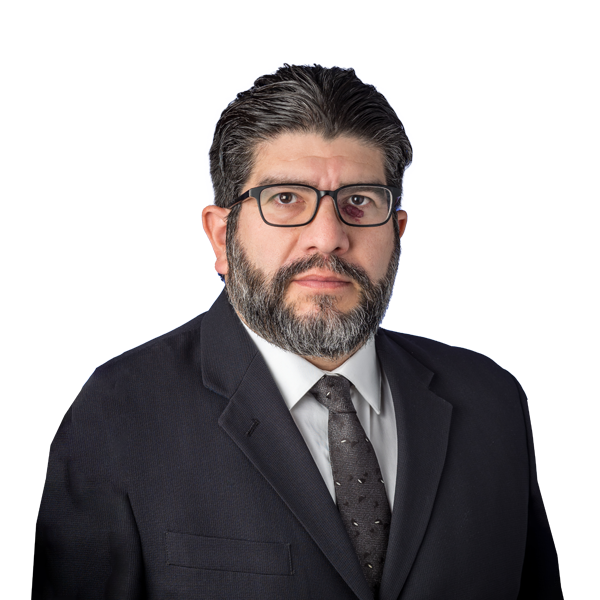
Ph.D. — Vice President, Biomechanical & Biomedical Engineer
Andrés J. Calderón, Ph.D., has a Bachelor of Science degree in Mechanical Engineering and a Master of Science and a Doctor of Philosophy degree in Biomedical Engineering. He has worked in the fields of biomechanical and biomedical engineering for over 16 years.

CIH, CSP — Vice President, Industrial Hygiene & Safety Specialist
Michael E. Goldberg, CIH, CSP is a Board Certified Industrial Hygienist with a Bachelors of Science Degree in Occupational Environmental Health and Safety and a Masters of Science Degree in Environmental Health and Industrial Hygiene, with over 19 years…

BS, RN, RNFA, BC-NC — Registered Nurse
Maureen O’Donnell is a Registered Nurse First Assistant and Board-Certified Nurse Coach with over 20 years of nursing experience and a special focus in perioperative services as well as overall health and wellness.