
Medical Devices
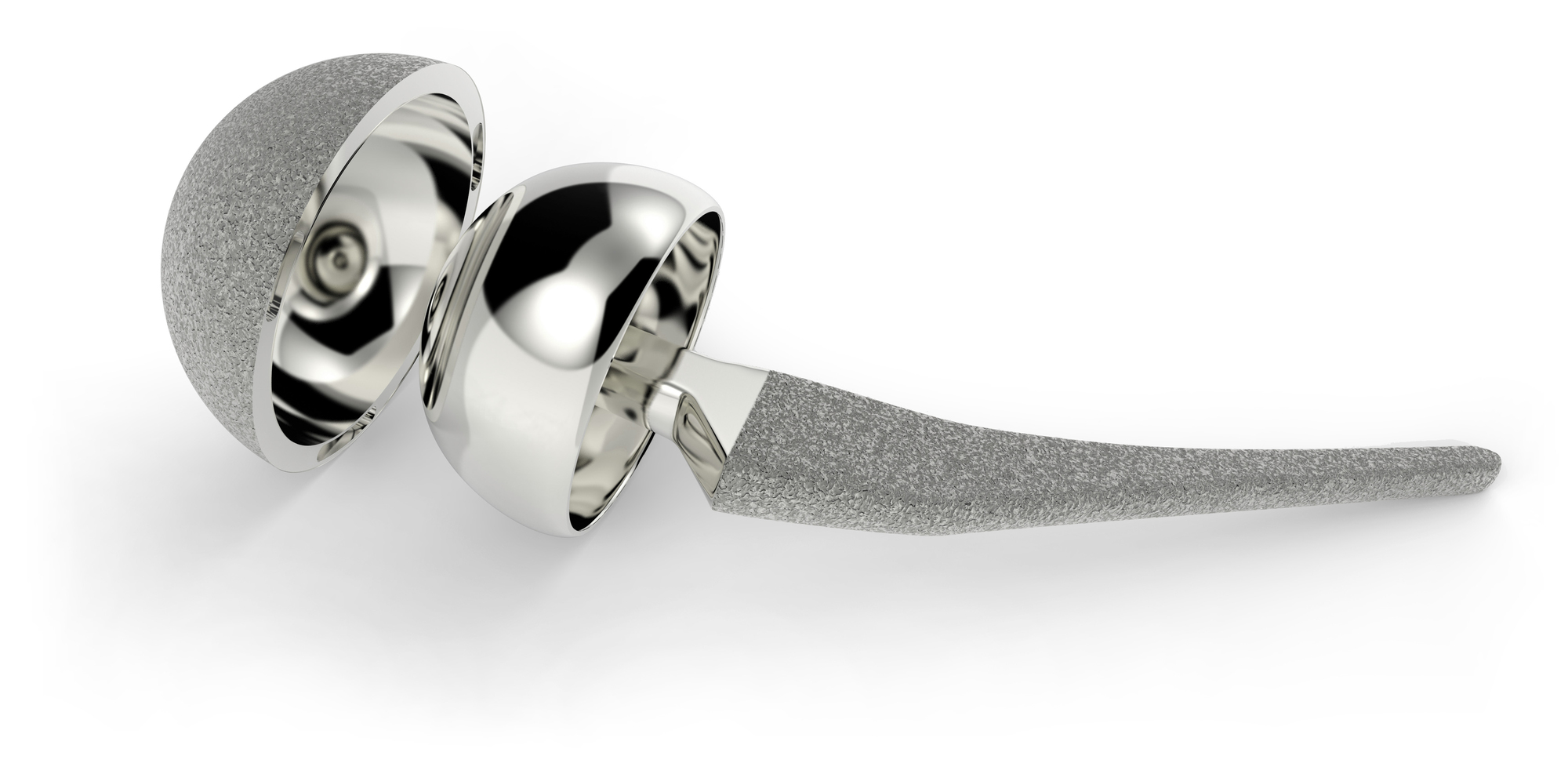
Medical device product liability-related legal matters frequently involve assessment of potential device failures and evaluation of the relationship between device performance, design characteristics, manufacturing practices, and resulting patient injury. These cases may encompass implantable devices, surgical instruments, diagnostic equipment, and related medical technologies. Resolution requires detailed forensic investigation to establish device failure causation, evaluate design adequacy and manufacturing compliance, assess device-tissue interaction, and evaluate the relationship between identified defects and injury causation. Comprehensive analysis demands expertise in biomedical engineering, materials science, device design, manufacturing processes, biomechanics, and applicable regulatory standards. Our firm provides forensic engineering investigation specialized in medical device failure analysis.
Cases involving medical device failures require systematic evaluation of device condition, design specifications, manufacturing processes, materials properties, biocompatibility, and clinical use history. We conduct thorough examination of the device or device remains, comparison against design specifications and regulatory requirements, and review of exemplar devices and manufacturing documentation. Our multidisciplinary team of mechanical and biomedical engineers performs materials testing, failure analysis, and simulation studies to evaluate device performance and failure mechanisms. Analysis evaluates whether device defects occurred, assesses the relationship between device failure and patient injury, and evaluates contributing factors including device design, manufacturing quality, device-tissue interaction, device user interaction and patient-related factors.
Forensic investigation of medical device failures addresses device design adequacy, manufacturing process compliance, materials properties and biocompatibility, wear and degradation mechanisms, device-tissue interaction, failure mode analysis, and causation assessment. Analysis may examine device materials composition, structural integrity, manufacturing specifications compliance, wear patterns, corrosion or degradation characteristics, design specifications, biocompatibility data, surgical technique factors, patient anatomy factors, post-implantation response, regulatory compliance, and alternative causation scenarios. We evaluate whether device defects occurred, assess the significance of identified defects relative to device performance and patient safety, evaluate whether device failure contributed to injury causation, and assess the plausibility of alternative causes. Our approach is systematic and evidence-based; findings derive from physical examination, materials and failure analysis, biomedical evaluation, engineering analysis, and comparison to regulatory and design standards.
We provide detailed forensic reports addressing device-specific technical factors, design and manufacturing evaluation, and failure causation assessment. Our analysis presents biomedical and mechanical engineering findings, failure analysis results, and causation assessment in structured, accessible formats suitable for non-technical audiences. We offer expert testimony for depositions and court proceedings, communicating technical findings, device failure mechanisms, and causation conclusions clearly to judicial audiences.
Medical device failure cases require rigorous forensic investigation and objective biomedical engineering and materials assessment. We are available to discuss how our forensic engineering expertise in medical device analysis may support your case evaluation.
Forensic product liability involves the investigation and analysis of products to determine the cause of harm or injury, and evaluate if the incident was due to a defect, malfunction, failure or improper use. This may include examining design flaws, manufacturing defects, or improper labeling that may lead to accidents.
Forensic engineers investigate the technical aspects of a product to identify defects and determine their potential role in causing harm or injury. They may analyze materials, manufacturing processes, mechanical failures, improper use of the product, or design flaws that may lead to the product's malfunction.
The three primary types of product defects are:
- Design defects: Flaws in the product's design that make it unsafe even before it is manufactured
- Manufacturing defects: Errors or problems that occur during the production of a product that make it different from the intended design, resulting in hazards
- Marketing defects (or failure to warn): Insufficient labeling, inadequate instructions, or failure to warn consumers about potential dangers of using the product
Forensic experts use a combination of methods, such as product testing, accident reconstruction, and material analysis, to establish a link between the defect and the injury. We may also review the product's usage history, consumer complaints, and regulatory compliance to build a case.
Potentially liable parties include:
- Manufacturers: For defects in design, manufacturing, or labeling
- Distributors: If the defect was known or should have been known
- Retailers: If they sold a defective product or failed to follow safety guidelines
- Suppliers: For providing faulty raw materials or components
Evidence is collected through methods like:
- Product inspections and testing to identify defects
- Reviewing documentation such as design blueprints, manufacturing records, and quality control reports
- Analyzing accident reports, consumer complaints, and previous incidents involving the product
- Consulting expert witnesses to understand the product’s intended function and safety standards
The statute of limitations, or the time frame in which a product liability lawsuit must be filed, varies by jurisdiction. Typically, it ranges from 2 to 6 years from the date of the injury or from when the defect was discovered. In some cases, the statute of repose may also apply, limiting the time a claim can be brought after a product is sold.
In a product liability case, the plaintiff typically has the burden of proof, meaning they must demonstrate that the product was defectively designed, manufactured, or marketed, and that the defect directly caused their injury. Forensic experts also have to analyze how the user interacted with the product and if that interaction was foreseable and/or if the product was used in a way that was not intended by the manufacturer and caused or contributed to the incident. Expert testimony and physical evidence play a significant role in determining the outcome of the case.
A product recall is when a manufacturer or government agency pulls a product from the market due to safety concerns or defects. A recall may be triggered by the discovery of a defect that poses significant risks to consumers. While a recall doesn’t automatically prove liability, it can be used as evidence in a product liability case to show whether or not the manufacturer was aware of the defect.

P.E. — CEO
Paul K. Goldberg, P.E., has a Bachelor of Science degree in Metallurgical Engineering with over fifty years of engineering experience. In 1980, he created a corporation that evolved into Consulting Engineers & Scientists, Inc. and today serves as its President and CEO.

Ph.D. — Vice President, Biomechanical & Biomedical Engineer
Andrés J. Calderón, Ph.D., has a Bachelor of Science degree in Mechanical Engineering and a Master of Science and a Doctor of Philosophy degree in Biomedical Engineering. He has worked in the fields of biomechanical and biomedical engineering for over 16 years.

Mechanical Engineer
Paul D. Doyle is a Mechanical Engineer with a Bachelor of Science degree in Mechanical Engineering, a Master of Science in Management, and more than 30 years of engineering experience. He worked in the automotive industry designing, building…

CIH, CSP — Vice President, Industrial Hygiene & Safety Specialist
Michael E. Goldberg, CIH, CSP is a Board Certified Industrial Hygienist with a Bachelors of Science Degree in Occupational Environmental Health and Safety and a Masters of Science Degree in Environmental Health and Industrial Hygiene, with over 19 years…