
Firing Range Safety
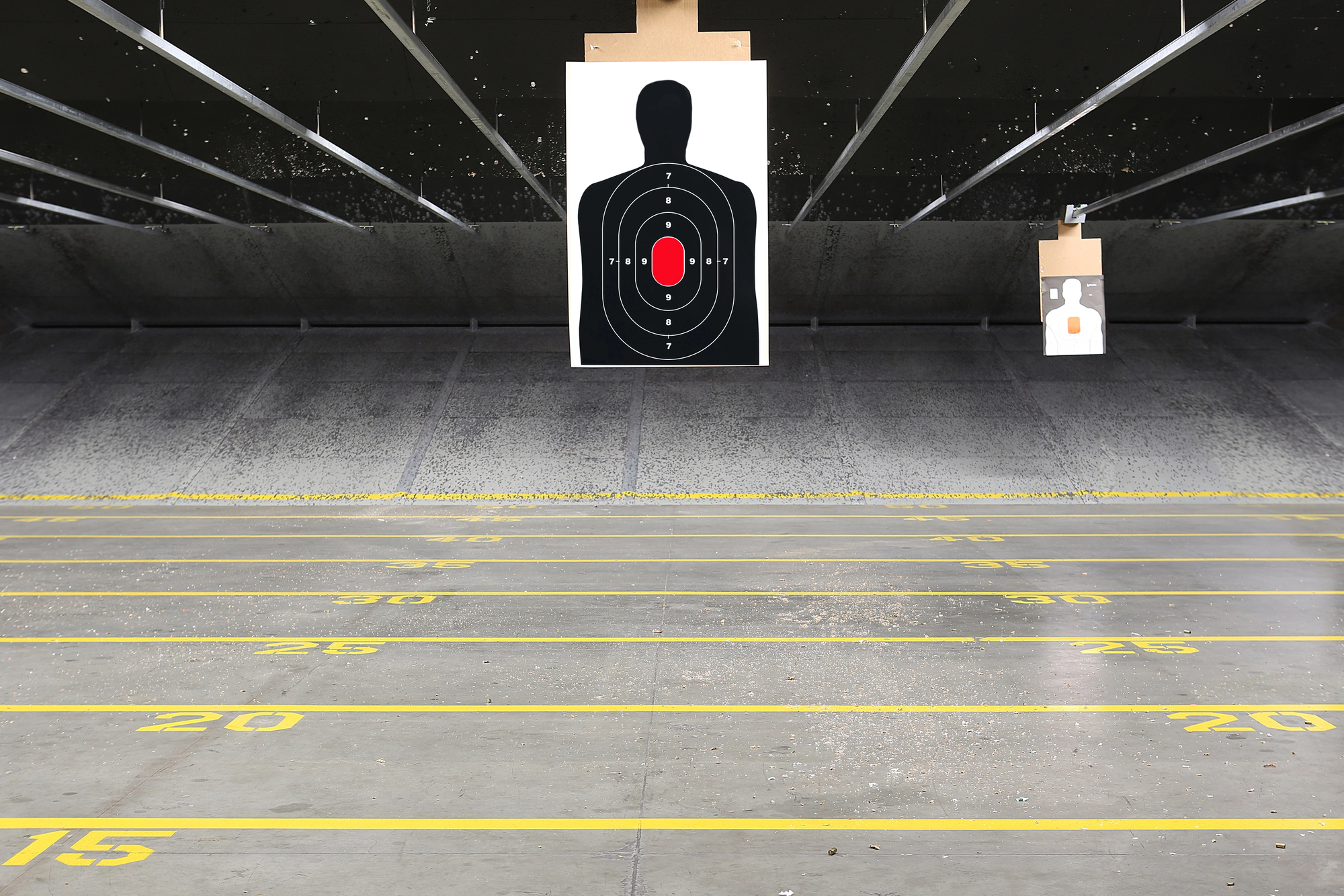
In firing range safety-related legal matters, legal professionals require comprehensive forensic investigation to understand the circumstances of the incident and what factors were relevant. These cases may involve injuries from incidents at public or private ranges, equipment maintenance practices, safety system function, operational practices, and regulatory compliance. Our firm provides comprehensive forensic investigation of firing range-related incidents to evaluate range design and operational practices, equipment condition and function, safety system performance, maintenance practices, and contributing factors. We offer evidence-based analysis to assist legal professionals in understanding the technical and factual aspects of firing range safety cases.
Legal professionals typically require understanding of whether the firing range was designed and operated according to applicable safety standards, what safety measures and protocols were in place, what equipment or operational factors were relevant to the incident, and what factors contributed to the incident. We conduct systematic review of the firing range's design, layout, safety protocols, and operational documentation. Our team of experts inspects the physical environment, including shooting lanes, backstops, safety barriers, and ventilation systems, to assess compliance with industry standards and applicable regulations. We evaluate any equipment involved in the incident, including firearms, ammunition, and protective equipment, to assess mechanical condition and function. We examine maintenance documentation, training records, and operational practices to evaluate adherence to established safety protocols and standards.
Our analysis is informed by comprehensive knowledge of firing range design, equipment mechanics, safety systems, operational protocols, and applicable regulatory standards. Our team includes safety experts with experience in range design, firearm mechanics, and safety procedures. We assess what factors were relevant to the incident circumstances, including facility condition, equipment function, maintenance status, safety protocol implementation, and operational practices. We identify deviations from applicable standards or established practices and evaluate what relationship they bear to the incident.
Legal professionals require assurance that complex firing range safety concepts, equipment mechanics, and technical findings can be explained clearly to judges and juries. We prepare thorough, well-documented reports that present our analysis and findings with clarity and logical structure. We explain firing range design, equipment mechanics, safety systems, and technical concepts in terminology accessible to legal counsel, judges, and juries. We support our analysis with visual aids and demonstrative materials when appropriate. Our experts are experienced in providing testimony in depositions and legal proceedings, presenting technical findings clearly and professionally while remaining composed and responsive to detailed questioning.
Regardless of whether the engagement involves representation of an injured party, a range operator, a facility owner, an equipment manufacturer, or another defendant, our analysis maintains objectivity and is grounded in firing range safety standards, equipment mechanics, applicable regulations, and documented evidence.
If you are handling a firing range safety-related case and need expert forensic analysis to evaluate range design and layout, equipment condition and function, safety system performance and compliance, maintenance practices, operational compliance with protocols and standards, training adequacy, regulatory compliance, incident causation, or contributing factors, we are available to assist. Please contact us to discuss how our expertise in firing range design, equipment mechanics, safety standards, and forensic investigation can address the specific technical and forensic questions in your matter.
To provide an impartial, fact-based opinion that helps the court or jury understand technical or complex issues beyond common knowledge.
- Specialized education or training
- Relevant work experience
- Certifications or licenses (if applicable)
- A history of credible, unbiased work
A fact witness testifies only about what they saw or experienced. An expert witness gives professional opinions based on education, experience, and analysis.
Usually early, during discovery or even pre-litigation, but definitely before trial. Early involvement helps shape strategy and preserve evidence.
- Credentials
- Scope of work
- Methods used
- Factual findings
- Opinions and conclusions
- Supporting documentation

AFAA — Certified Personal Fitness Trainer
Debra L. Hufnagel, AFAA, is a Certified Personal Fitness Trainer with over 15 years experience in physical fitness training and equipment. Prior to and concurrently with joining the firm, Ms. Hufnagel is the owner of Fit For Life, a personal fitness training company where she…

Firearms Safety & Correctional Facilities Consultant
Joseph F. Martin, Jr. has over 34 of experience in law enforcement, corrections, training and security. With a Bachelor’s of Science degree in education, certification by the New Jersey Police Training Commission as a Range Master, New Jersey Department of Personnel…

Safety & Security Consultant
Joseph T. Potterton has been the Operations Manager responsible for the training and education of 140 Security Officers and thousands of health care professionals employed at a large inner-city hospital in Philadelphia since 1992. He has over 25 years of experience…

Civil/Water Resource Engineer
Karl E. Schreiter, Jr., P.E. has a Bachelor of Science degree in Physics and a Master of Science degree in Water Resource Engineering. He has over twenty years of experience in the water and wastewater treatment industry which includes many aspects of both water and wastewater treatment.